Starch To Prevent Caking
What is Starch To Prevent Caking?
Starch is a carbohydrate that plants use to store energy. It is commonly extracted from corn, potatoes, or tapioca. The starch is then often modified through physical or chemical processes to improve its performance in food products.
Is Starch To Prevent Caking vegan?
Starch To Prevent Caking is not animal-derived. Products that contain it can still include other animal-derived ingredients, so check the full ingredient list.
Is Starch To Prevent Caking gluten-free?
Starches derived from wheat may contain gluten, but wheat starch used in the US is typically processed to remove gluten.
Is Starch To Prevent Caking a major allergen?
Not a major allergen.
What is Starch To Prevent Caking used for?
Manufacturers add starch to prevent ingredients from clumping together, a function known as an anti-caking agent.
Is Starch To Prevent Caking safe?
Starches used to prevent caking are generally recognized as safe (GRAS) by the FDA.
Why it's used
Manufacturers add starch to prevent ingredients from clumping together, a function known as an anti-caking agent. It helps maintain a smooth, free-flowing texture in powdered products like spices, drink mixes, and seasonings. It is also used as a thickener in sauces and gravies.
Health notes
Starches used to prevent caking are generally recognized as safe (GRAS) by the FDA. They are a common source of carbohydrates in the diet. Regulatory bodies like JECFA and EFSA have evaluated various starches and their modifications. Evidence does not suggest adverse health effects from typical dietary intake.
Allergen info
Not a major allergen. Starches derived from wheat may contain gluten, but wheat starch used in the US is typically processed to remove gluten.
Foods that contain Starch To Prevent Caking
Compare products →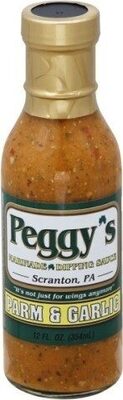 MMCSKS Corp
Marinade Dipping Sauce, Parm & Garlic
267kcal
6.7Protein
30Fat
0Carbs
MMCSKS Corp
Marinade Dipping Sauce, Parm & Garlic
267kcal
6.7Protein
30Fat
0Carbs
 Target Stores
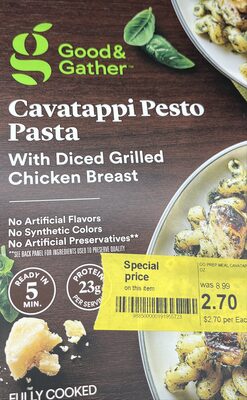
Cavatappi Pesto Pasta With Diced Grilled Chicken Breast, Cavatappi Pesto
High in saturated fat — 22% DV per serving
224kcal
10.9Protein
12.9Fat
17.1Carbs
Target Stores
Cavatappi Pesto Pasta With Diced Grilled Chicken Breast, Cavatappi Pesto
High in saturated fat — 22% DV per serving
224kcal
10.9Protein
12.9Fat
17.1Carbs
 Target Stores
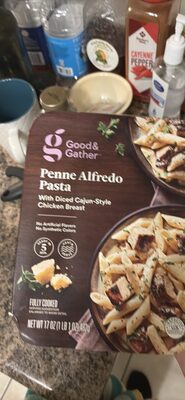
Penne Alfredo Pasta With Diced Cajun-Style Chicken Breast, Penne Alfredo
High in sodium — 44% DV per serving
High in saturated fat — 30% DV per serving
High in cholesterol — 20% DV per serving
154kcal
9.5Protein
6.6Fat
13.3Carbs
Target Stores
Penne Alfredo Pasta With Diced Cajun-Style Chicken Breast, Penne Alfredo
High in sodium — 44% DV per serving
High in saturated fat — 30% DV per serving
High in cholesterol — 20% DV per serving
154kcal
9.5Protein
6.6Fat
13.3Carbs
Auto-generated content. This description was generated automatically and is pending editorial review. Inaccuracies are possible. Found a mistake? Contact us.