Parmesan Cheese
What is Parmesan Cheese?
Parmesan cheese is a hard, granular cheese with a rich, savory flavor. It originates from the Parma region of Italy. Traditionally, it is made from cow's milk, rennet, and salt, and then aged for a minimum of 12 months, which contributes to its distinct texture and taste.
Is Parmesan Cheese vegan?
No. Parmesan Cheese is animal-derived, so it is not vegan.
Is Parmesan Cheese a major allergen?
Parmesan cheese is derived from milk, which is one of the nine major food allergens identified by the FDA.
What is Parmesan Cheese used for?
Manufacturers add Parmesan cheese to products primarily for its distinctive savory and umami flavor, as well as its texture when grated or melted.
Is Parmesan Cheese safe?
Parmesan cheese is regulated by the FDA as a food product, specifically a dairy product.
Why it's used
Manufacturers add Parmesan cheese to products primarily for its distinctive savory and umami flavor, as well as its texture when grated or melted. It is commonly found in dishes like pasta, pizza, salads, and as a topping for various prepared meals.
Health notes
Parmesan cheese is regulated by the FDA as a food product, specifically a dairy product. It is a source of protein and calcium, but can also be high in sodium and saturated fat. Due to its aging process, Parmesan cheese contains very low levels of lactose, making it often tolerated by individuals with lactose intolerance. As a whole food, Parmesan cheese is not typically evaluated by bodies like JECFA or EFSA in the same way food additives are, and there are no widespread safety controversies regarding its consumption as part of a balanced diet.
Allergen info
Parmesan cheese is derived from milk, which is one of the nine major food allergens identified by the FDA.
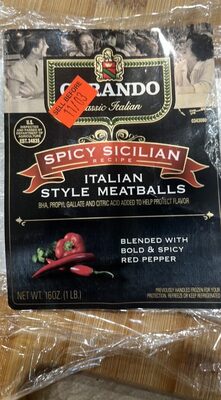
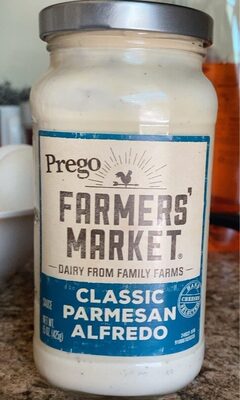
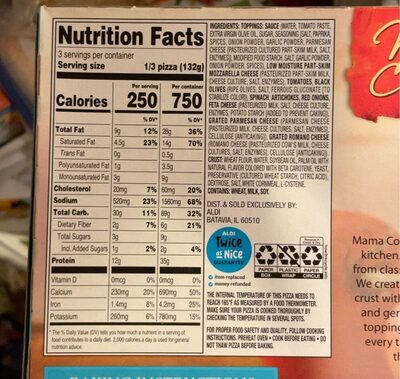
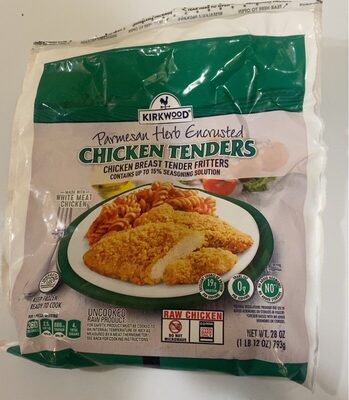
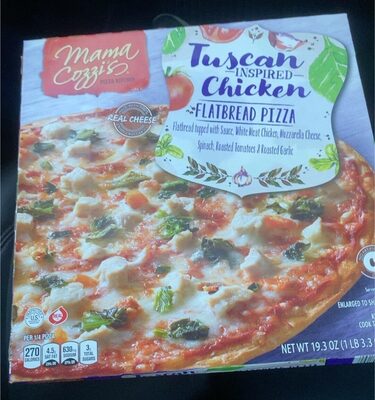
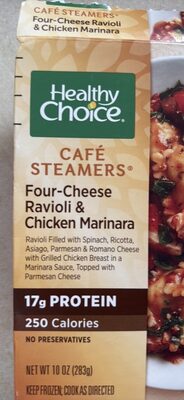
Foods that contain Parmesan Cheese
Compare products →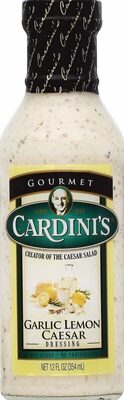




Learn more
Auto-generated content. This description was generated automatically and is pending editorial review. Inaccuracies are possible. Found a mistake? Contact us.