Sucrose Acetate Isobutyrate
What is Sucrose Acetate Isobutyrate?
Sucrose acetate isobutyrate (SAIB) is a food additive made from sucrose (table sugar) and acetic acid and isobutyric acid. It is produced through a chemical reaction involving these components.
Is Sucrose Acetate Isobutyrate vegan?
Sucrose Acetate Isobutyrate is not animal-derived. Products that contain it can still include other animal-derived ingredients, so check the full ingredient list.
Is Sucrose Acetate Isobutyrate gluten-free?
It does not contain gluten.
Is Sucrose Acetate Isobutyrate a major allergen?
SAIB is not derived from any of the nine FDA major allergens.
What is Sucrose Acetate Isobutyrate used for?
SAIB is used as a weighting agent in citrus-flavored beverages to help keep the flavor oils suspended and prevent them from separating.
Is Sucrose Acetate Isobutyrate safe?
In the United States, SAIB is Generally Recognized As Safe (GRAS) by the FDA for use as a food additive.
Why it's used
SAIB is used as a weighting agent in citrus-flavored beverages to help keep the flavor oils suspended and prevent them from separating. It can also be used to improve the texture and mouthfeel of certain food products.
Health notes
In the United States, SAIB is Generally Recognized As Safe (GRAS) by the FDA for use as a food additive. Regulatory bodies like the Joint FAO/WHO Expert Committee on Food Additives (JECFA) and the European Food Safety Authority (EFSA) have evaluated SAIB. Evidence from studies on its safety at typical consumption levels has not raised significant health concerns.
Allergen info
SAIB is not derived from any of the nine FDA major allergens. It does not contain gluten.
Foods that contain Sucrose Acetate Isobutyrate
Compare products →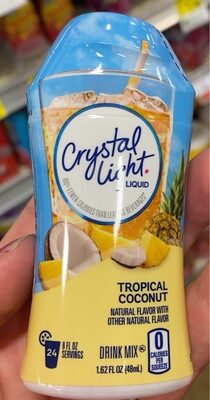 CRYSTAL LIGHT
Tropical Coconut Drink Mix
0kcal
0Protein
0Fat
0Carbs
CRYSTAL LIGHT
Tropical Coconut Drink Mix
0kcal
0Protein
0Fat
0Carbs
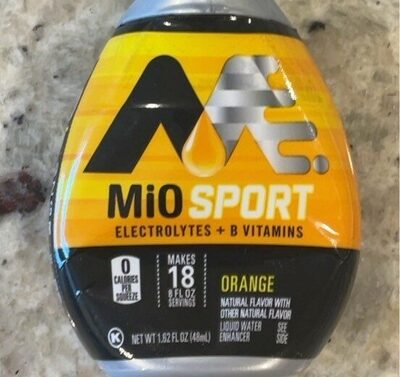 MIO
Mio, Fit Liquid Water Enhancer, Orange
0kcal
0Protein
0Fat
0Carbs
MIO
Mio, Fit Liquid Water Enhancer, Orange
0kcal
0Protein
0Fat
0Carbs
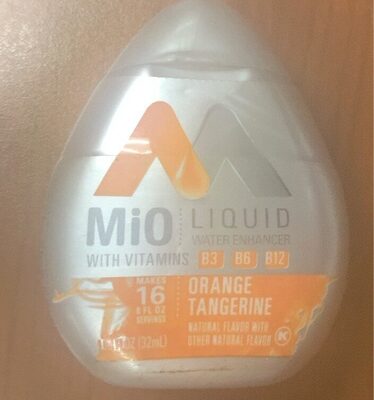 MIO
Mio, Liquid Water Enhancer, Orange Tangerine
0kcal
0Protein
0Fat
0Carbs
MIO
Mio, Liquid Water Enhancer, Orange Tangerine
0kcal
0Protein
0Fat
0Carbs
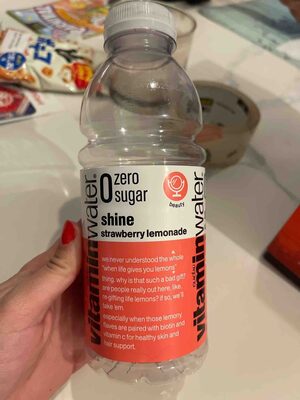 Energy Brands Inc.-Glaceau
Glaceau Vitaminwater, Nutrient Enhanced Water Beverage, Strawberry Lemonade
0kcal
0Protein
0Fat
0.8Carbs
Energy Brands Inc.-Glaceau
Glaceau Vitaminwater, Nutrient Enhanced Water Beverage, Strawberry Lemonade
0kcal
0Protein
0Fat
0.8Carbs
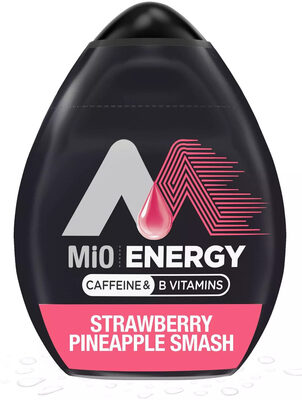 M MIO ENERGY
Liquid Water Enhancer
0kcal
0Protein
0Fat
0Carbs
M MIO ENERGY
Liquid Water Enhancer
0kcal
0Protein
0Fat
0Carbs
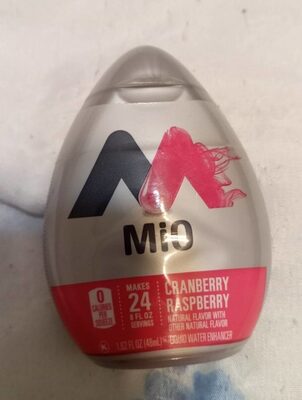 MIO
Cranberry Raspberry Liquid Water Enhancer, Cranberry Raspberry
0kcal
0Protein
0Fat
0Carbs
MIO
Cranberry Raspberry Liquid Water Enhancer, Cranberry Raspberry
0kcal
0Protein
0Fat
0Carbs
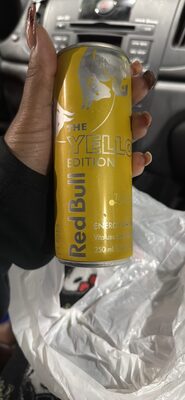 Red Bull North America, Inc.
Energy Drink, Tropical
48kcal
0.4Protein
0Fat
11.6Carbs
Red Bull North America, Inc.
Energy Drink, Tropical
48kcal
0.4Protein
0Fat
11.6Carbs
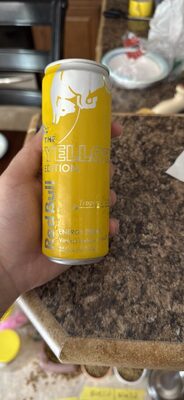 Red Bull North America, Inc.
Energy Drink, Tropical
45kcal
0.3Protein
0Fat
11.8Carbs
Red Bull North America, Inc.
Energy Drink, Tropical
45kcal
0.3Protein
0Fat
11.8Carbs
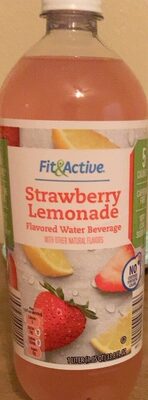 FIT&ACTIVE
Strawberry Lemonade Flavored Water Beverage, Strawberry Lemonade
1kcal
0Protein
0Fat
0.3Carbs
FIT&ACTIVE
Strawberry Lemonade Flavored Water Beverage, Strawberry Lemonade
1kcal
0Protein
0Fat
0.3Carbs
 FIT&ACTIVE
Lemonade Flavored Water Beverage, Lemonade
1kcal
0Protein
0Fat
0Carbs
FIT&ACTIVE
Lemonade Flavored Water Beverage, Lemonade
1kcal
0Protein
0Fat
0Carbs
 Red Bull North America, Inc.
Coconut Berry Energy Drink, Coconut Berry
44kcal
0.4Protein
0Fat
11.2Carbs
Red Bull North America, Inc.
Coconut Berry Energy Drink, Coconut Berry
44kcal
0.4Protein
0Fat
11.2Carbs
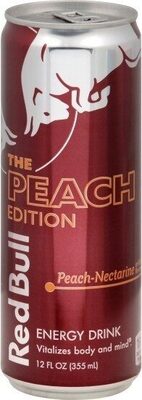 Red Bull North America, Inc.
Peach-Nectarine Energy Drink, Peach-Nectarine
45kcal
0.3Protein
0Fat
11.3Carbs
Red Bull North America, Inc.
Peach-Nectarine Energy Drink, Peach-Nectarine
45kcal
0.3Protein
0Fat
11.3Carbs
Auto-generated content. This description was generated automatically and is pending editorial review. Inaccuracies are possible. Found a mistake? Contact us.