Sucrose Esters Of Fatty Acid
What is Sucrose Esters Of Fatty Acid?
Sucrose esters of fatty acids are made from sucrose (table sugar) and fatty acids, which are derived from vegetable oils or animal fats. The process combines these ingredients to create a substance that can help mix oil and water.
Is Sucrose Esters Of Fatty Acid gluten-free?
They do not contain gluten.
Is Sucrose Esters Of Fatty Acid a major allergen?
Sucrose esters of fatty acids are not derived from major allergens like milk, eggs, fish, shellfish, tree nuts, peanuts, wheat, soy, or sesame.
What is Sucrose Esters Of Fatty Acid used for?
Manufacturers use sucrose esters of fatty acids as emulsifiers, which help keep ingredients from separating in foods like plant-based milks, juices, and candies.
Is Sucrose Esters Of Fatty Acid safe?
In the U.S., sucrose esters of fatty acids are generally recognized as safe (GRAS) by the FDA for use in food.
Why it's used
Manufacturers use sucrose esters of fatty acids as emulsifiers, which help keep ingredients from separating in foods like plant-based milks, juices, and candies. They can also act as stabilizers and thickeners.
Health notes
In the U.S., sucrose esters of fatty acids are generally recognized as safe (GRAS) by the FDA for use in food. International bodies like JECFA and EFSA have evaluated these compounds. Research on their effects at typical consumption levels has not raised significant health concerns.
Allergen info
Sucrose esters of fatty acids are not derived from major allergens like milk, eggs, fish, shellfish, tree nuts, peanuts, wheat, soy, or sesame. They do not contain gluten.
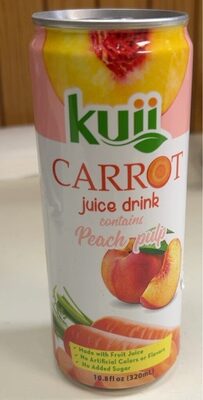
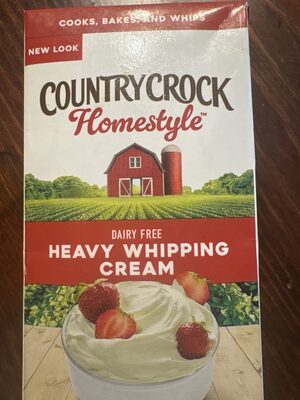
Foods that contain Sucrose Esters Of Fatty Acid
Compare products →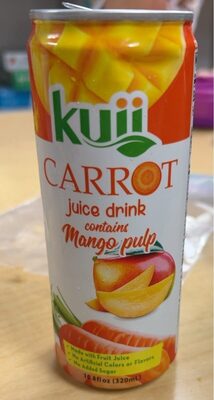
Learn more
Auto-generated content. This description was generated automatically and is pending editorial review. Inaccuracies are possible. Found a mistake? Contact us.