Sugar And Vinegar
Auto-generated content. This description was generated automatically and is pending editorial review. Inaccuracies are possible. Found a mistake? Contact us.
What it is
Sugar is a sweet-tasting carbohydrate, typically sucrose, obtained from sugarcane or sugar beets. Vinegar is a sour liquid made by fermenting ethanol (alcohol) into acetic acid, often derived from grains, fruits, or wine. Together, they are commonly used in food preparation for flavor and preservation.
Why it's used
Sugar acts as a sweetener and, in high concentrations, a preservative. Vinegar functions as an acidity regulator and a preservative due to its acetic acid content. This combination is frequently found in pickled products, relishes, sauces, and some soups to balance flavors and extend shelf life.
Health notes
The FDA recognizes both sugar and vinegar as Generally Recognized As Safe (GRAS). The 2025-2030 Dietary Guidelines for Americans recommend no amount of added sugars, and at most 10 grams of added sugars per meal. The World Health Organization (WHO) advises limiting free sugars to less than 10% of total energy intake. JECFA has evaluated both sugar and vinegar. The combination is generally considered safe when consumed as part of a balanced diet.
Allergen info
Not a major allergen.
Products containing Sugar And Vinegar
Compare products →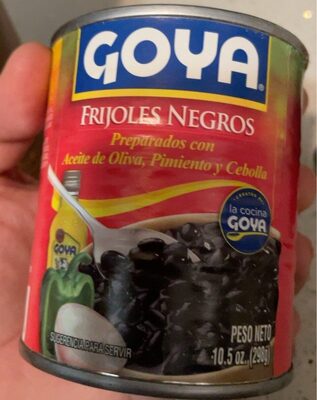 Goya Foods, Inc.
Black Bean Soup, Black Bean
High in sodium — 21% DV per serving
85kcal
4.6Protein
1.5Fat
14.6Carbs
George DeLallo Co., Inc.
Red Sweet Peppers, Mild
100kcal
2Protein
0Fat
24Carbs
Goya Foods, Inc.
Black Bean Soup, Black Bean
High in sodium — 21% DV per serving
85kcal
4.6Protein
1.5Fat
14.6Carbs
George DeLallo Co., Inc.
Red Sweet Peppers, Mild
100kcal
2Protein
0Fat
24Carbs
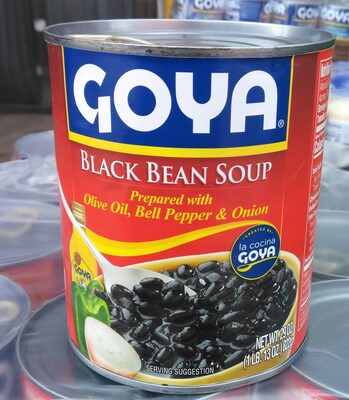 Goya Foods, Inc.
Black Bean Soup
High in sodium — 21% DV per serving
85kcal
4.6Protein
1.5Fat
14.6Carbs
Goya Foods, Inc.
Black Bean Soup
High in sodium — 21% DV per serving
85kcal
4.6Protein
1.5Fat
14.6Carbs
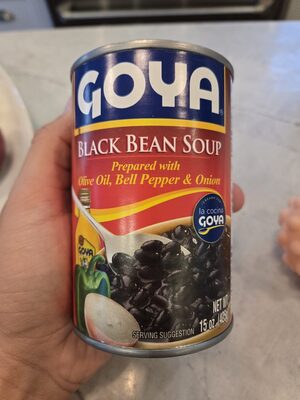 Goya Foods, Inc.
Black Bean Soup
High in sodium — 21% DV per serving
85kcal
4.6Protein
1.5Fat
14.6Carbs
Goya Foods, Inc.
Black Bean Soup
High in sodium — 21% DV per serving
85kcal
4.6Protein
1.5Fat
14.6Carbs
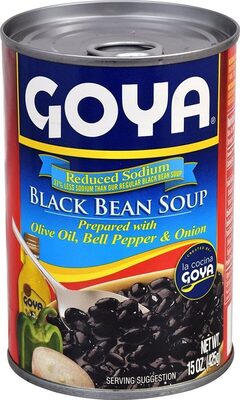 Goya Foods, Inc.
Black Bean Soup
85kcal
4.6Protein
1.5Fat
13.8Carbs
Goya Foods, Inc.
Black Bean Soup
85kcal
4.6Protein
1.5Fat
13.8Carbs