Sugar Glucose Syrup
Auto-generated content. This description was generated automatically and is pending editorial review. Inaccuracies are possible. Found a mistake? Contact us.
What it is
Sugar glucose syrup is a blend of common table sugar (sucrose) and glucose syrup. Sucrose is typically derived from sugarcane or sugar beets, while glucose syrup is made by breaking down starches, often corn starch in the United States, into simpler sugars.
Why it's used
Manufacturers add sugar glucose syrup to foods primarily as a sweetener and to improve texture. It helps to prevent crystallization in candies, adds body to desserts, and retains moisture in baked goods, contributing to a softer texture. It is commonly found in confectionery, baked goods, and frozen desserts.
Health notes
Both sugar (sucrose) and glucose syrup are generally recognized as safe (GRAS) by the U.S. Food and Drug Administration (FDA). As a source of added sugars, its consumption should align with dietary guidelines. The 2025-2030 Dietary Guidelines for Americans recommend no specific amount of added sugars, suggesting consumption be limited to at most 10 grams per meal. Excessive intake of added sugars can contribute to increased calorie intake, which may impact overall health. Both sucrose and glucose syrup have been evaluated by international bodies like JECFA, which did not find it necessary to set a numeric acceptable daily intake for either, as they are common food components.
Allergen info
Not a major allergen. Glucose syrup in the US is typically derived from corn, which is not considered a major allergen by the FDA.
Products containing Sugar Glucose Syrup
Compare products →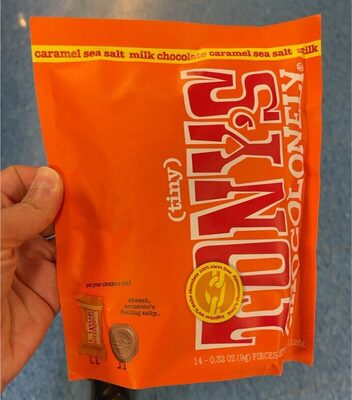 Tony's Chocolonely, Inc.
Caramel Sea Salt Milk Chocolate, Caramel Sea Salt
556kcal
7.4Protein
33.3Fat
55.6Carbs
Price Chopper Supermarkets
Cappuccino & Caramel Vegan Non-Dairy Frozen Dessert, Cappuccino & Caramel
High in saturated fat — 165% DV per serving
High in added sugars — 36% DV per serving
231kcal
1.9Protein
13.0Fat
27.8Carbs
Han He Group Inc
Unicorn Pets Series 2 Toy & Candy Surprises!
High in added sugars — 24% DV per serving
325kcal
5Protein
0Fat
80Carbs
Han He Group Inc
Dragonz Toy & Candy Surprises!
High in added sugars — 24% DV per serving
325kcal
5Protein
0Fat
80Carbs
Tony's Chocolonely, Inc.
Caramel Sea Salt Milk Chocolate, Caramel Sea Salt
556kcal
7.4Protein
33.3Fat
55.6Carbs
Price Chopper Supermarkets
Cappuccino & Caramel Vegan Non-Dairy Frozen Dessert, Cappuccino & Caramel
High in saturated fat — 165% DV per serving
High in added sugars — 36% DV per serving
231kcal
1.9Protein
13.0Fat
27.8Carbs
Han He Group Inc
Unicorn Pets Series 2 Toy & Candy Surprises!
High in added sugars — 24% DV per serving
325kcal
5Protein
0Fat
80Carbs
Han He Group Inc
Dragonz Toy & Candy Surprises!
High in added sugars — 24% DV per serving
325kcal
5Protein
0Fat
80Carbs