Sugar Icing
What is Sugar Icing?
Sugar icing is a sweet, often smooth, coating or decoration for baked goods. It is typically made by mixing powdered sugar with a liquid, such as water, milk, or lemon juice, and sometimes includes fats like butter or flavorings. This mixture creates a glaze or frosting that hardens slightly when dry.
Is Sugar Icing a major allergen?
Sugar itself is not a major allergen.
What is Sugar Icing used for?
Manufacturers add sugar icing primarily for decoration, to add sweetness, and to enhance the texture of food products.
Is Sugar Icing safe?
The primary component of sugar icing is sugar, which is generally recognized as safe (GRAS) by the FDA.
Why it's used
Manufacturers add sugar icing primarily for decoration, to add sweetness, and to enhance the texture of food products. It is commonly found on cakes, cupcakes, cookies, pastries, and other desserts. The icing can also help to preserve moisture in baked goods.
Health notes
The primary component of sugar icing is sugar, which is generally recognized as safe (GRAS) by the FDA. The Dietary Guidelines for Americans (2025-2030) recommend no specific amount of added sugars, but suggest consuming at most 10 grams of added sugars per meal. The World Health Organization (WHO) advises limiting free sugars to less than 10% of total energy intake. JECFA has evaluated sugars. Consuming too much added sugar, including from icing, can contribute to excess calorie intake and may be associated with various health concerns as part of an unbalanced diet.
Allergen info
Sugar itself is not a major allergen. However, sugar icing often contains other ingredients like milk, eggs, or tree nuts, which are major allergens. Consumers should check the full ingredient list for specific allergen information.
Foods that contain Sugar Icing
Compare products →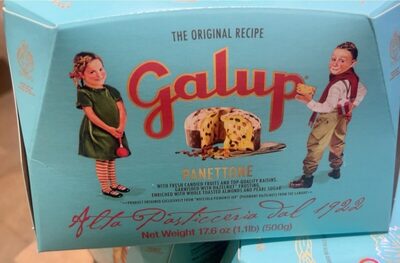 Endoco, Inc (DBA Ultimate Dental)
Panettone With Fresh Candied Fruits And Top-Quality Raisins. Garnished With Hazelnut Frosting, Enriched With Whole Toasted Almonds And Pearl Sugar., Panettone
High in saturated fat — 40% DV per serving
High in added sugars — 32% DV per serving
388kcal
7.5Protein
17.5Fat
46.2Carbs
Sweet Shop Candies, Inc.
Sweet Shop USA, Peppermint Truffles
High in saturated fat — 30% DV per serving
442kcal
4.7Protein
20.9Fat
60.5Carbs
ECI Storage and Logistics, Inc.
Authentic French Brioche With Pastry Cream, Authentic French With Pastry Cream
280kcal
6Protein
5.6Fat
50Carbs
Endoco, Inc (DBA Ultimate Dental)
Panettone With Fresh Candied Fruits And Top-Quality Raisins. Garnished With Hazelnut Frosting, Enriched With Whole Toasted Almonds And Pearl Sugar., Panettone
High in saturated fat — 40% DV per serving
High in added sugars — 32% DV per serving
388kcal
7.5Protein
17.5Fat
46.2Carbs
Sweet Shop Candies, Inc.
Sweet Shop USA, Peppermint Truffles
High in saturated fat — 30% DV per serving
442kcal
4.7Protein
20.9Fat
60.5Carbs
ECI Storage and Logistics, Inc.
Authentic French Brioche With Pastry Cream, Authentic French With Pastry Cream
280kcal
6Protein
5.6Fat
50Carbs
Auto-generated content. This description was generated automatically and is pending editorial review. Inaccuracies are possible. Found a mistake? Contact us.