Sunflower Lecithinated
What is Sunflower Lecithinated?
Sunflower lecithin is a type of phospholipid derived from sunflower seeds. It is produced by extracting the oil from sunflower seeds and then processing it to isolate the lecithin. This natural emulsifier is often used as an alternative to soy lecithin.
Is Sunflower Lecithinated vegan?
Sunflower Lecithinated is not animal-derived. Products that contain it can still include other animal-derived ingredients, so check the full ingredient list.
Is Sunflower Lecithinated gluten-free?
It does not contain gluten.
Is Sunflower Lecithinated a major allergen?
Sunflower lecithin is not derived from any of the 9 major FDA allergens.
What is Sunflower Lecithinated used for?
Manufacturers add sunflower lecithin primarily as an emulsifier, helping to blend oil and water-based ingredients in foods.
Is Sunflower Lecithinated safe?
Sunflower lecithin is generally recognized as safe (GRAS) by the FDA for use in food.
Why it's used
Manufacturers add sunflower lecithin primarily as an emulsifier, helping to blend oil and water-based ingredients in foods. It also functions as a stabilizer and can improve texture. You'll commonly find it in baked goods, chocolate, dairy products, and nutritional supplements.
Health notes
Sunflower lecithin is generally recognized as safe (GRAS) by the FDA for use in food. It is a source of choline, an essential nutrient important for brain health and cell function. While generally considered safe, some individuals may experience mild digestive upset. International bodies like JECFA and EFSA have evaluated lecithin, but no specific health concerns are widely noted at typical consumption levels.
Allergen info
Sunflower lecithin is not derived from any of the 9 major FDA allergens. It does not contain gluten.
Foods that contain Sunflower Lecithinated
Compare products →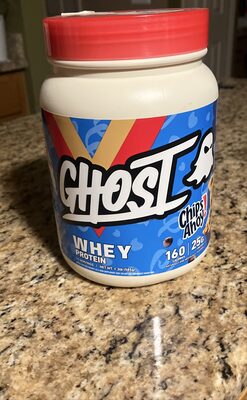
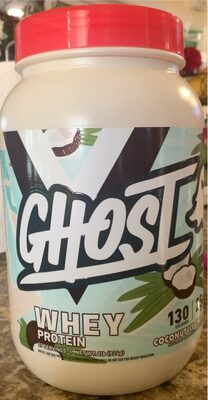
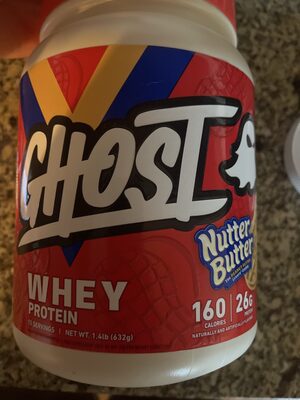
Learn more
Auto-generated content. This description was generated automatically and is pending editorial review. Inaccuracies are possible. Found a mistake? Contact us.