Szechuan Pepper
What is Szechuan Pepper?
Szechuan pepper is not a true pepper but the dried berry husk of a prickly ash tree native to China. The husks are dried and the seed is removed before use. They have a unique citrus-like aroma and a tingling, numbing sensation.
Is Szechuan Pepper vegan?
Szechuan Pepper is not animal-derived. Products that contain it can still include other animal-derived ingredients, so check the full ingredient list.
Is Szechuan Pepper a major allergen?
Not a major allergen.
What is Szechuan Pepper used for?
Manufacturers use Szechuan pepper primarily as a spice to add a distinctive flavor and aroma to foods.
Is Szechuan Pepper safe?
Szechuan pepper is generally recognized as safe (GRAS) by the FDA for use as a food flavoring.
Why it's used
Manufacturers use Szechuan pepper primarily as a spice to add a distinctive flavor and aroma to foods. It is often found in Asian cuisines, particularly Chinese dishes, and can be used in marinades, sauces, stir-fries, and spice blends.
Health notes
Szechuan pepper is generally recognized as safe (GRAS) by the FDA for use as a food flavoring. The compounds responsible for its unique sensation are generally considered safe at levels used in food. International bodies like EFSA have evaluated similar flavorings. Evidence does not suggest significant health concerns at typical dietary intake levels.
Allergen info
Not a major allergen. Szechuan pepper is a spice derived from a plant and is not one of the nine major food allergens recognized by the FDA.
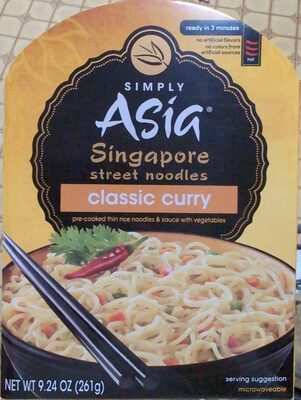
Foods that contain Szechuan Pepper
Compare products →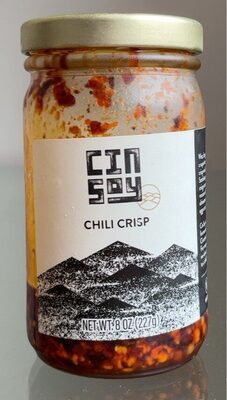
Learn more
Auto-generated content. This description was generated automatically and is pending editorial review. Inaccuracies are possible. Found a mistake? Contact us.