Textured Soybean Protein
Auto-generated content. This description was generated automatically and is pending editorial review. Inaccuracies are possible. Found a mistake? Contact us.
What it is
Textured soybean protein (TSP), also known as textured vegetable protein (TVP), is a defatted soy flour product. It is made by cooking soy under pressure and then dehydrating it, which gives it a fibrous, meat-like texture. It is a plant-based protein source.
Why it's used
Manufacturers use TSP as a meat substitute or extender in a variety of products due to its texture and ability to absorb flavors. It is commonly found in vegetarian and vegan meat alternatives, such as burgers, sausages, and grounds, as well as in some traditional meat products to reduce cost and fat content.
Health notes
Textured soybean protein is generally recognized as safe (GRAS) by the FDA for use in food. It is a good source of protein and fiber. Regulatory bodies like JECFA and EFSA have evaluated soy products. While soy is a common allergen, TSP itself is not typically associated with adverse health effects when consumed in moderation as part of a balanced diet.
Allergen info
Textured soybean protein is derived from soybeans, which are one of the nine major allergens identified by the FDA. It does not contain gluten.
Products containing Textured Soybean Protein
Compare products →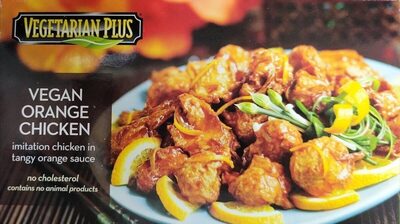 Vege Usa, LLC
Vegan Orange Chicken, Orange
183kcal
8.4Protein
8.4Fat
15.5Carbs
Vege Usa, LLC
Vegan Chicken Drumsticks
204kcal
15.5Protein
11.3Fat
9.9Carbs
Vege Usa, LLC
Vegan Orange Chicken, Orange
183kcal
8.4Protein
8.4Fat
15.5Carbs
Vege Usa, LLC
Vegan Chicken Drumsticks
204kcal
15.5Protein
11.3Fat
9.9Carbs
 Vege Usa, LLC
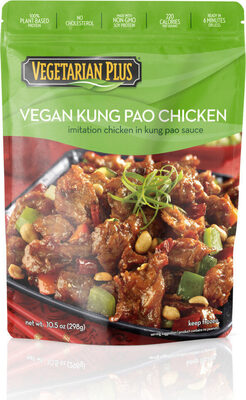
Vegan Kung Pao Chicken, Kung Pao
High in sodium — 26% DV per serving
310kcal
18.3Protein
18.3Fat
21.1Carbs
Vege Usa, LLC
Vegan Kung Pao Chicken, Kung Pao
High in sodium — 26% DV per serving
310kcal
18.3Protein
18.3Fat
21.1Carbs