The Following: Caramelized Sugar
This entry is a label phrase. See the main ingredient page: Caramelized Sugar.
What is The Following: Caramelized Sugar?
Caramelized sugar is made by heating sugar until it turns brown. This process, called caramelization, changes the sugar's flavor and color. It can be made from various types of sugar, such as sucrose or glucose.
Is The Following: Caramelized Sugar vegan?
The Following: Caramelized Sugar is not animal-derived. Products that contain it can still include other animal-derived ingredients, so check the full ingredient list.
Is The Following: Caramelized Sugar gluten-free?
It does not contain gluten.
Is The Following: Caramelized Sugar a major allergen?
Caramelized sugar is not derived from any of the nine major allergens.
What is The Following: Caramelized Sugar used for?
Manufacturers use caramelized sugar as a natural browning agent and flavor enhancer.
Is The Following: Caramelized Sugar safe?
Caramelized sugar is generally recognized as safe (GRAS) by the FDA for use in food.
Why it's used
Manufacturers use caramelized sugar as a natural browning agent and flavor enhancer. It adds a rich, slightly bitter, and sweet taste to foods. It is commonly found in baked goods, sauces, confectionery, and processed meats.
Health notes
Caramelized sugar is generally recognized as safe (GRAS) by the FDA for use in food. It is a form of sugar and contributes calories. JECFA has evaluated caramel colors, which are derived from caramelized sugar, and established specifications for their use. At typical consumption levels, it is not associated with adverse health effects.
Allergen info
Caramelized sugar is not derived from any of the nine major allergens. It does not contain gluten.
Foods that contain The Following: Caramelized Sugar
Compare products →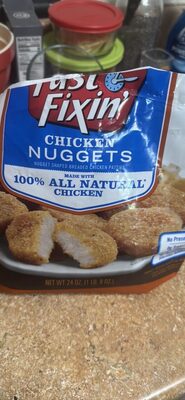
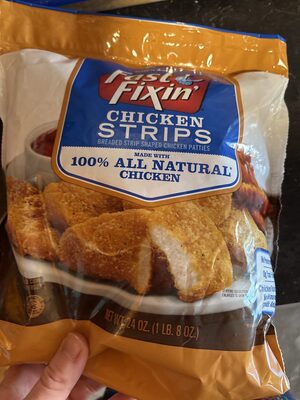
Learn more
Auto-generated content. This description was generated automatically and is pending editorial review. Inaccuracies are possible. Found a mistake? Contact us.