The Following: Lime Oil
This entry is a label phrase. See the main ingredient page: Lime Oil.
What is The Following: Lime Oil?
Lime oil is a natural oil extracted from the peel of limes, a citrus fruit. It is produced through steam distillation or cold pressing the lime rinds. The oil contains volatile compounds that give limes their characteristic aroma and flavor.
Is The Following: Lime Oil vegan?
The Following: Lime Oil is not animal-derived. Products that contain it can still include other animal-derived ingredients, so check the full ingredient list.
Is The Following: Lime Oil gluten-free?
It does not contain gluten.
Is The Following: Lime Oil a major allergen?
Lime oil is not derived from any of the FDA's nine major allergens.
What is The Following: Lime Oil used for?
Lime oil is used as a flavoring agent in the food industry.
Is The Following: Lime Oil safe?
Lime oil is generally recognized as safe (GRAS) by the FDA for use as a flavoring.
Why it's used
Lime oil is used as a flavoring agent in the food industry. It adds a bright, citrusy taste to a variety of products, including beverages, baked goods, candies, and savory dishes. It is often found in snacks, marinades, and sauces.
Health notes
Lime oil is generally recognized as safe (GRAS) by the FDA for use as a flavoring. Regulatory bodies like JECFA have evaluated lime oil and its components. At typical consumption levels found in food, it is not associated with adverse health effects. There are no widespread controversies regarding its use as a food ingredient.
Allergen info
Lime oil is not derived from any of the FDA's nine major allergens. It does not contain gluten.
Foods that contain The Following: Lime Oil
Compare products →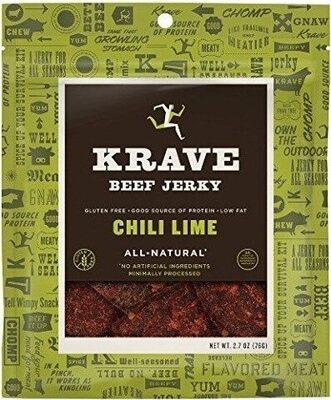 Double Peak, Inc.
Chili Lime Oven Roasted Beef Cuts, Chili Lime
286kcal
32.1Protein
3.6Fat
32.1Carbs
The Hershey Company
Beef Jerky, Chili Lime
321kcal
28.6Protein
5.4Fat
42.9Carbs
The Hershey Company
Beef Jerky, Chili Lime
321kcal
28.6Protein
5.4Fat
42.9Carbs
The Hershey Company
Beef Jerky, Chili Lime
321kcal
28.6Protein
5.4Fat
42.9Carbs
Double Peak, Inc.
Chili Lime Beef Jerky, Chili Lime
321kcal
28.6Protein
5.4Fat
42.9Carbs
Double Peak, Inc.
Chili Lime Oven Roasted Beef Cuts, Chili Lime
286kcal
32.1Protein
3.6Fat
32.1Carbs
The Hershey Company
Beef Jerky, Chili Lime
321kcal
28.6Protein
5.4Fat
42.9Carbs
The Hershey Company
Beef Jerky, Chili Lime
321kcal
28.6Protein
5.4Fat
42.9Carbs
The Hershey Company
Beef Jerky, Chili Lime
321kcal
28.6Protein
5.4Fat
42.9Carbs
Double Peak, Inc.
Chili Lime Beef Jerky, Chili Lime
321kcal
28.6Protein
5.4Fat
42.9Carbs
Learn more
Auto-generated content. This description was generated automatically and is pending editorial review. Inaccuracies are possible. Found a mistake? Contact us.