Tomato Lycopene Extract
What is Tomato Lycopene Extract?
Tomato lycopene extract is a red pigment naturally found in tomatoes and other red fruits and vegetables. It is typically extracted from tomatoes using solvents, then purified and concentrated. This process yields a vibrant red colorant.
Is Tomato Lycopene Extract vegan?
Tomato Lycopene Extract is not animal-derived. Products that contain it can still include other animal-derived ingredients, so check the full ingredient list.
Is Tomato Lycopene Extract gluten-free?
It does not contain gluten.
Is Tomato Lycopene Extract a major allergen?
Tomato lycopene extract is not derived from any of the 9 FDA major allergens.
What is Tomato Lycopene Extract used for?
Manufacturers add tomato lycopene extract to provide a natural red color to foods and beverages.
Is Tomato Lycopene Extract safe?
Tomato lycopene extract is generally recognized as safe (GRAS) by the FDA for use as a food colorant.
Why it's used
Manufacturers add tomato lycopene extract to provide a natural red color to foods and beverages. It is commonly found in fruit-flavored drinks, juices, and other products where a visually appealing red hue is desired.
Health notes
Tomato lycopene extract is generally recognized as safe (GRAS) by the FDA for use as a food colorant. Lycopene is an antioxidant, and studies suggest it may have health benefits, though more research is needed. JECFA has evaluated lycopene and established an acceptable daily intake. Evidence on health benefits is still developing, but it is not considered harmful at typical dietary levels.
Allergen info
Tomato lycopene extract is not derived from any of the 9 FDA major allergens. It does not contain gluten.
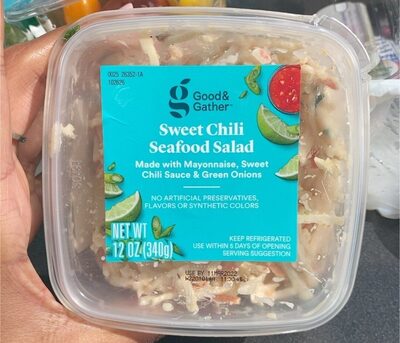
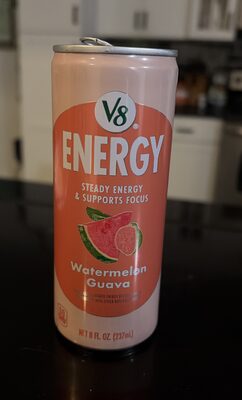
Foods that contain Tomato Lycopene Extract
Compare products →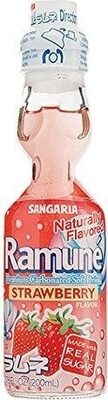













Learn more
Auto-generated content. This description was generated automatically and is pending editorial review. Inaccuracies are possible. Found a mistake? Contact us.