Unsweetened Chocolate Processed With Alkali
What is Unsweetened Chocolate Processed With Alkali?
Unsweetened chocolate processed with alkali, also known as Dutch-process cocoa, is made from cocoa beans that have been washed with an alkaline solution. This process neutralizes the acidity of the cocoa, making it darker in color and milder in flavor compared to natural cocoa powder. It is a key ingredient in many chocolate-flavored products.
Is Unsweetened Chocolate Processed With Alkali vegan?
Unsweetened Chocolate Processed With Alkali is not animal-derived. Products that contain it can still include other animal-derived ingredients, so check the full ingredient list.
Is Unsweetened Chocolate Processed With Alkali a major allergen?
Not a major allergen.
What is Unsweetened Chocolate Processed With Alkali used for?
Manufacturers use it to provide a rich chocolate flavor and a darker color in baked goods like cakes, cookies, and brownies.
Is Unsweetened Chocolate Processed With Alkali safe?
Unsweetened chocolate processed with alkali is generally recognized as safe (GRAS) by the FDA for use in food.
Why it's used
Manufacturers use it to provide a rich chocolate flavor and a darker color in baked goods like cakes, cookies, and brownies. It's also found in candies, ice cream, and other desserts where a smooth, less bitter chocolate taste is desired.
Health notes
Unsweetened chocolate processed with alkali is generally recognized as safe (GRAS) by the FDA for use in food. Cocoa contains flavanols, which have been studied for potential antioxidant effects. Regulatory bodies like JECFA and EFSA have evaluated cocoa and cocoa products. Evidence on the health effects of flavanols is ongoing, with some studies suggesting benefits and others showing no significant impact at typical consumption levels.
Allergen info
Not a major allergen. It is derived from cocoa beans.
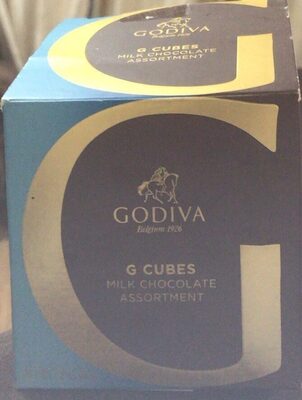
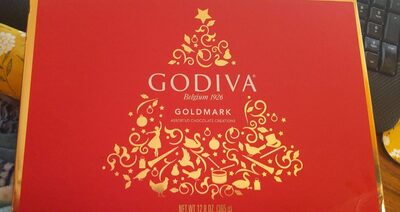
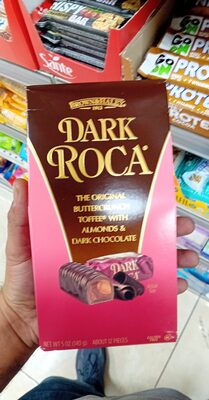
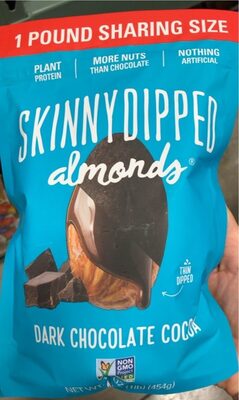
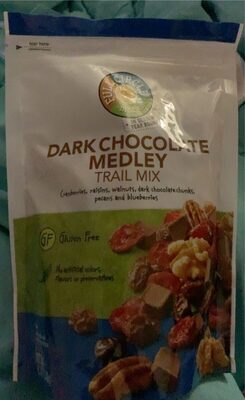
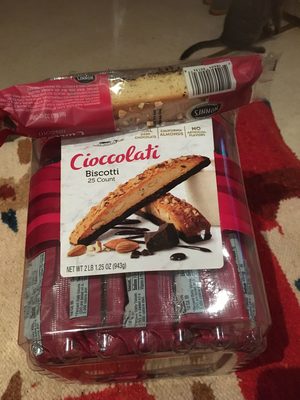
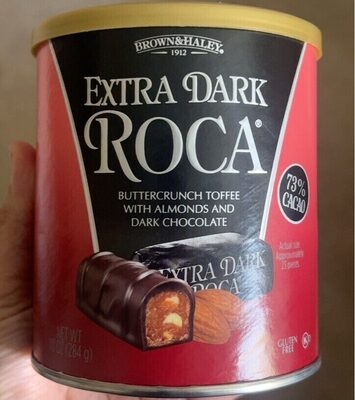
Foods that contain Unsweetened Chocolate Processed With Alkali
Compare products →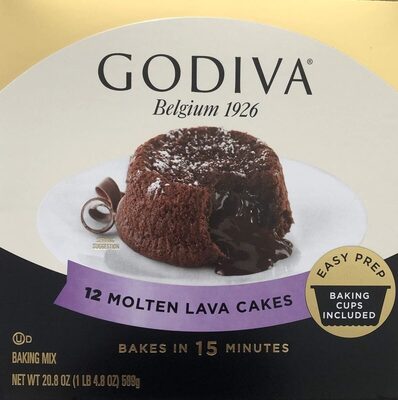


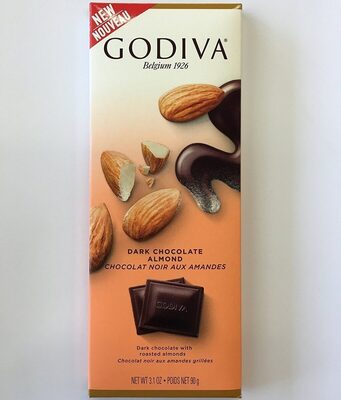


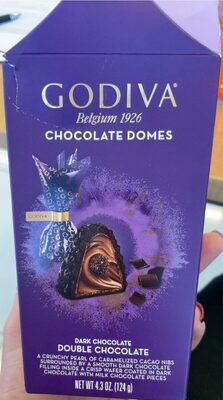
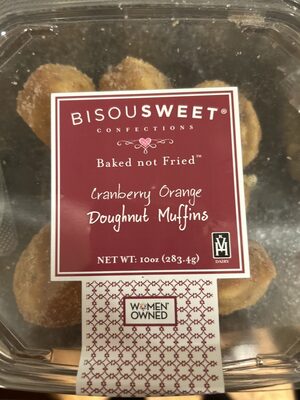





Learn more
Auto-generated content. This description was generated automatically and is pending editorial review. Inaccuracies are possible. Found a mistake? Contact us.