Vanilla Frosting: Powdered Sugar
What is Vanilla Frosting: Powdered Sugar?
Powdered sugar, also known as confectioners' sugar or icing sugar, is granulated sugar that has been finely ground into a powder. It often contains a small amount of cornstarch, typically 3%, to prevent clumping and absorb moisture. It is derived from sugar cane or sugar beets.
Is Vanilla Frosting: Powdered Sugar vegan?
Vanilla Frosting: Powdered Sugar is not animal-derived. Products that contain it can still include other animal-derived ingredients, so check the full ingredient list.
Is Vanilla Frosting: Powdered Sugar a major allergen?
Not a major allergen.
What is Vanilla Frosting: Powdered Sugar used for?
Manufacturers add powdered sugar primarily as a sweetener and for its fine texture.
Is Vanilla Frosting: Powdered Sugar safe?
Powdered sugar is generally recognized as safe (GRAS) by the FDA.
Why it's used
Manufacturers add powdered sugar primarily as a sweetener and for its fine texture. It is commonly used in frostings, glazes, and icings, and as a dusting for baked goods, where it dissolves easily and provides a smooth finish.
Health notes
Powdered sugar is generally recognized as safe (GRAS) by the FDA. It is a source of added sugars, which contribute calories to the diet. The 2025-2030 Dietary Guidelines for Americans recommend no amount of added sugars, and at most 10 grams of added sugars per meal. Excessive intake of added sugars is associated with various health concerns. JECFA has evaluated sugars and considers them safe for consumption within dietary guidelines.
Allergen info
Not a major allergen.
Foods that contain Vanilla Frosting: Powdered Sugar
Compare products →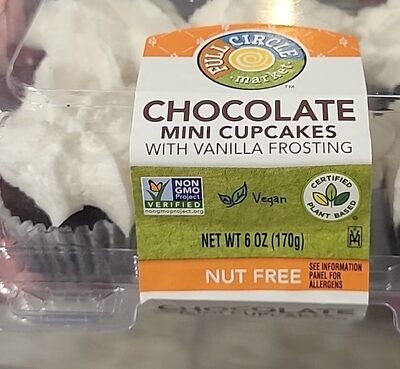 Topco Associates, Inc.
Chocolate Mini Cupcakes With Vanilla Frosting, Chocolate With Vanilla Frosting
High in saturated fat — 25% DV per serving
High in added sugars — 54% DV per serving
405kcal
3.6Protein
21.4Fat
50Carbs
Topco Associates, Inc.
Chocolate Mini Cupcakes With Vanilla Frosting, Chocolate With Vanilla Frosting
High in saturated fat — 25% DV per serving
High in added sugars — 54% DV per serving
405kcal
3.6Protein
21.4Fat
50Carbs
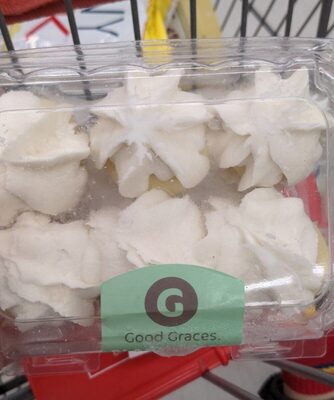 Hy-Vee, Inc.
Vanilla Plant Based Mini Cupcakes With Vanilla Frosting, Vanilla
High in added sugars — 62% DV per serving
381kcal
2.4Protein
16.7Fat
57.1Carbs
Nutphrees Bakery Inc
Nutphree's Bakery, Cupcakes, Chocolate Vanilla, Chocolate Vanilla
High in saturated fat — 30% DV per serving
378kcal
3.7Protein
14.6Fat
61.0Carbs
Hy-Vee, Inc.
Vanilla Plant Based Mini Cupcakes With Vanilla Frosting, Vanilla
High in added sugars — 62% DV per serving
381kcal
2.4Protein
16.7Fat
57.1Carbs
Nutphrees Bakery Inc
Nutphree's Bakery, Cupcakes, Chocolate Vanilla, Chocolate Vanilla
High in saturated fat — 30% DV per serving
378kcal
3.7Protein
14.6Fat
61.0Carbs
Learn more
Auto-generated content. This description was generated automatically and is pending editorial review. Inaccuracies are possible. Found a mistake? Contact us.