Vegetable Carbon
What is Vegetable Carbon?
Vegetable carbon, also known as activated charcoal, is a fine black powder made from burning organic materials like coconut shells or wood in the absence of oxygen. This process creates a highly porous material that can absorb substances. It is often treated further to increase its adsorptive properties.
Is Vegetable Carbon vegan?
Vegetable Carbon is not animal-derived. Products that contain it can still include other animal-derived ingredients, so check the full ingredient list.
Is Vegetable Carbon gluten-free?
It is not derived from any of the 9 FDA major allergens and does not contain gluten.
Is Vegetable Carbon a major allergen?
Not a major allergen.
What is Vegetable Carbon used for?
Manufacturers use vegetable carbon primarily as a food coloring agent to create black or dark gray hues in products like candy, baked goods, and beverages.
Is Vegetable Carbon safe?
Vegetable carbon is permitted as a food colorant in the US.
Why it's used
Manufacturers use vegetable carbon primarily as a food coloring agent to create black or dark gray hues in products like candy, baked goods, and beverages. Its porous structure can also contribute to a smoother texture in some applications.
Health notes
Vegetable carbon is permitted as a food colorant in the US. The FDA lists it as a color additive. While generally recognized as safe when used as intended, its high absorptive capacity means it can bind to medications and nutrients, potentially reducing their effectiveness if consumed at the same time. JECFA and EFSA have evaluated it. No significant health controversies are associated with its use as a food colorant at typical levels.
Allergen info
Not a major allergen. It is not derived from any of the 9 FDA major allergens and does not contain gluten.
Foods that contain Vegetable Carbon
Compare products →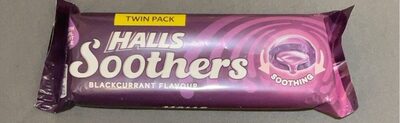
Learn more
Auto-generated content. This description was generated automatically and is pending editorial review. Inaccuracies are possible. Found a mistake? Contact us.