Vegetable Color
What is Vegetable Color?
Vegetable Color is a broad term for food colorings derived from plant sources. These colors are extracted from various fruits, vegetables, and other botanical materials, with the specific plant determining the resulting hue.
Is Vegetable Color vegan?
Vegetable Color is not animal-derived. Products that contain it can still include other animal-derived ingredients, so check the full ingredient list.
Is Vegetable Color a major allergen?
Vegetable Color itself is not a major allergen.
What is Vegetable Color used for?
Manufacturers add vegetable colors to foods to provide or enhance visual appeal, often as an alternative to synthetic dyes.
Is Vegetable Color safe?
In the United States, specific color additives derived from vegetables are regulated by the U.S. Food and Drug Administration (FDA).
Why it's used
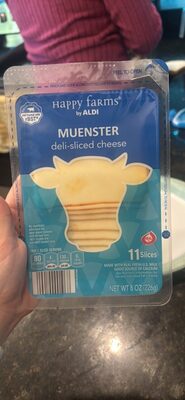
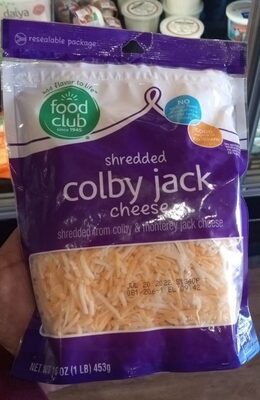
Manufacturers add vegetable colors to foods to provide or enhance visual appeal, often as an alternative to synthetic dyes. They are used in a wide range of products, such as cheeses, snack foods, and processed meats, to achieve desired colors.
Health notes
In the United States, specific color additives derived from vegetables are regulated by the U.S. Food and Drug Administration (FDA). Many are considered Generally Recognized As Safe (GRAS) or are approved as color additives. These natural colors are generally considered safe for consumption at typical intake levels. International bodies like the Joint FAO/WHO Expert Committee on Food Additives (JECFA) and the European Food Safety Authority (EFSA) have evaluated many individual vegetable-derived colors, and they are generally not associated with the health concerns sometimes linked to synthetic dyes.
Allergen info
Vegetable Color itself is not a major allergen. However, the specific plant source used to create the color could be an allergen, such as soy or wheat, if present.
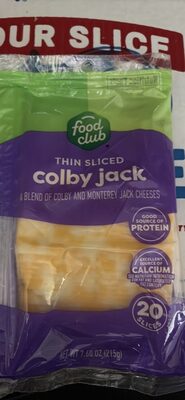
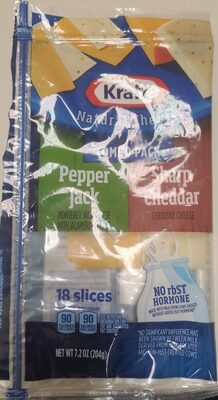
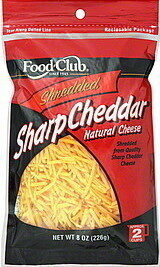
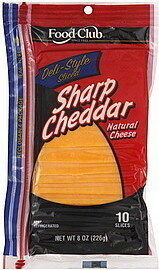
Foods that contain Vegetable Color
Compare products →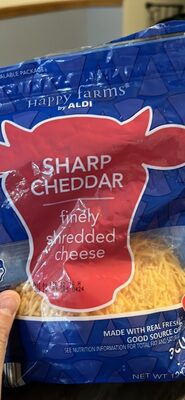
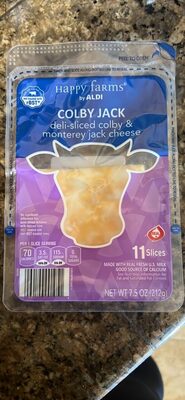
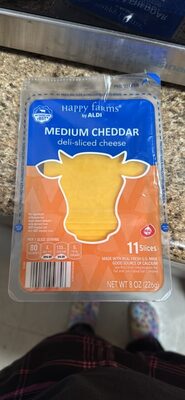
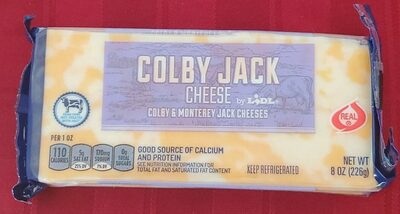
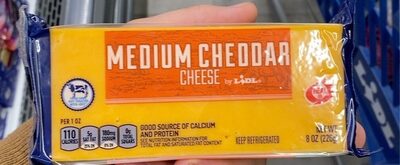

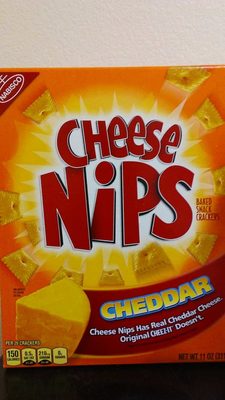

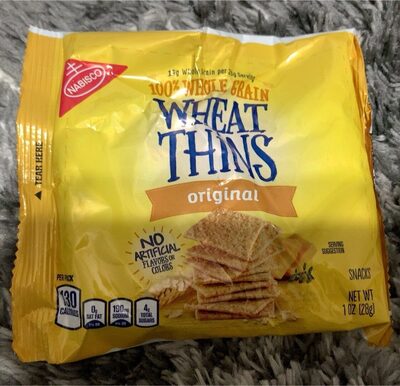
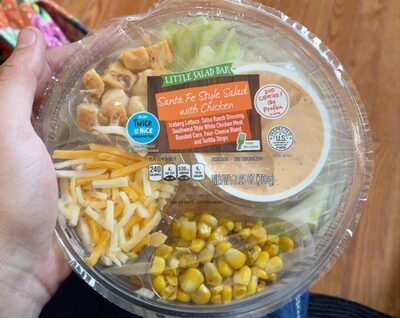


Learn more
Auto-generated content. This description was generated automatically and is pending editorial review. Inaccuracies are possible. Found a mistake? Contact us.