Vegetable Juice Color
What is Vegetable Juice Color?
Vegetable juice color is a natural coloring derived from fruits and vegetables. It is made by extracting pigments from sources like beets, carrots, or purple sweet potatoes. These extracts are then processed to create stable colorants for food products.
Is Vegetable Juice Color vegan?
Vegetable Juice Color is not animal-derived. Products that contain it can still include other animal-derived ingredients, so check the full ingredient list.
Is Vegetable Juice Color gluten-free?
It does not contain gluten.
Is Vegetable Juice Color a major allergen?
Vegetable juice color is not derived from any of the 9 FDA major allergens.
What is Vegetable Juice Color used for?
Manufacturers use vegetable juice color to add or enhance the visual appeal of foods and beverages.
Is Vegetable Juice Color safe?
Vegetable juice color is generally recognized as safe (GRAS) by the FDA for use as a food coloring.
Why it's used
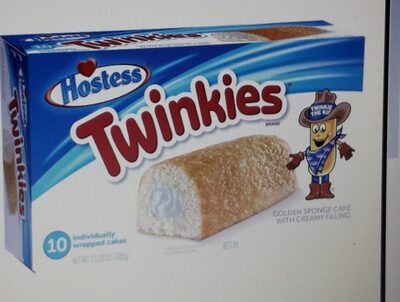
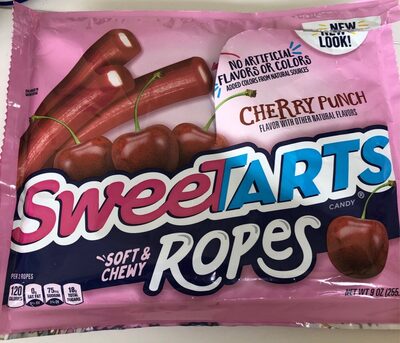
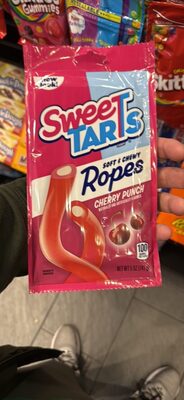
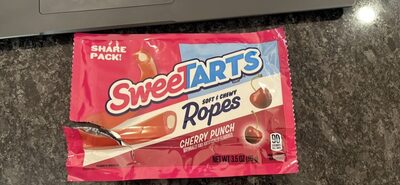
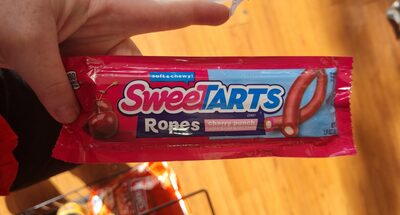
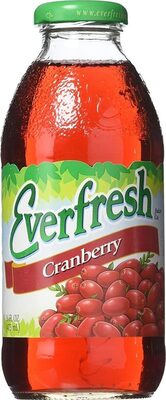
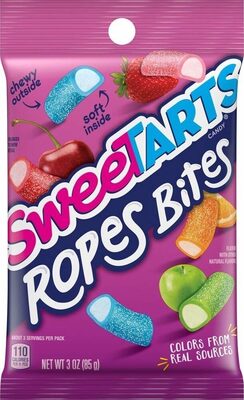
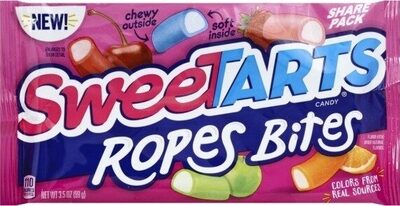
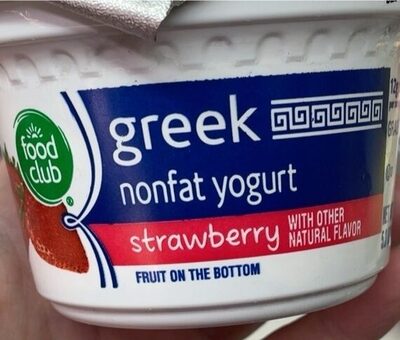
Manufacturers use vegetable juice color to add or enhance the visual appeal of foods and beverages. It provides a range of natural colors, from reds and oranges to purples and yellows. It is commonly found in yogurts, candies, baked goods, and fruit-flavored products.
Health notes
Vegetable juice color is generally recognized as safe (GRAS) by the FDA for use as a food coloring. It is made from edible plant sources and is not associated with significant health concerns when consumed at typical levels. International bodies like JECFA have evaluated food colorings, and EFSA also assesses food additives. Evidence does not suggest adverse health effects from these natural colorants.
Allergen info
Vegetable juice color is not derived from any of the 9 FDA major allergens. It does not contain gluten.
Foods that contain Vegetable Juice Color
Compare products →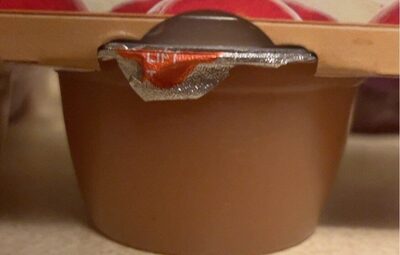
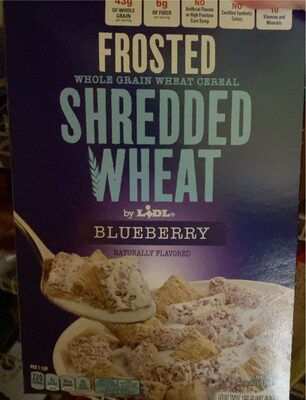
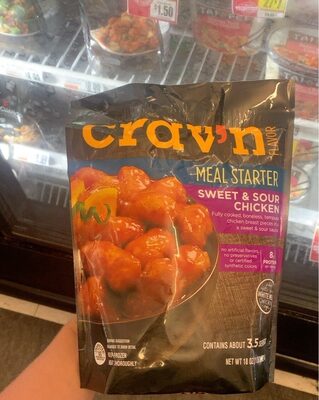
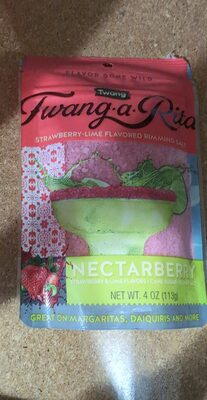
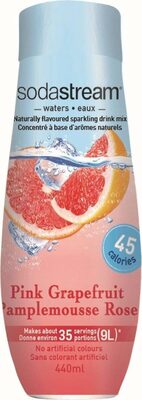
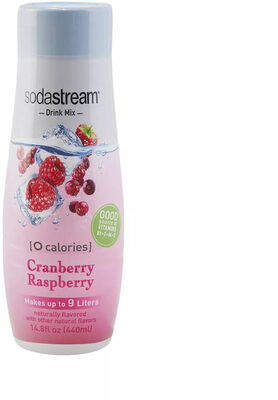
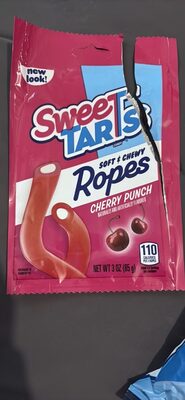

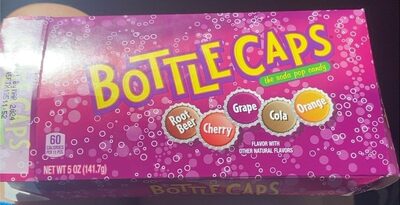
 Edy'S
Grand Ice Cream
High in saturated fat — 20% DV per serving
215kcal
3.1Protein
9.2Fat
29.2Carbs
Learn more
Auto-generated content. This description was generated automatically and is pending editorial review. Inaccuracies are possible. Found a mistake? Contact us.