Vermont Maple Sugar
What is Vermont Maple Sugar?
Vermont Maple Sugar is a sweetener made from the boiled-down sap of maple trees, primarily sugar maple trees, native to North America. The sap is collected in early spring and then heated to evaporate most of its water content, leaving behind crystallized sugar.
Is Vermont Maple Sugar vegan?
Vermont Maple Sugar is not animal-derived. Products that contain it can still include other animal-derived ingredients, so check the full ingredient list.
Is Vermont Maple Sugar gluten-free?
Maple sugar is derived from tree sap and does not contain any of the nine FDA major allergens or gluten.
Is Vermont Maple Sugar a major allergen?
Not a major allergen.
What is Vermont Maple Sugar used for?
Manufacturers use Vermont Maple Sugar as a natural sweetener and flavoring agent.
Is Vermont Maple Sugar safe?
Vermont Maple Sugar is generally recognized as safe (GRAS) by the FDA when used as a food ingredient.
Why it's used
Manufacturers use Vermont Maple Sugar as a natural sweetener and flavoring agent. Its distinct, rich flavor makes it a popular choice in baked goods, confections, breakfast items like pancakes and waffles, and as a glaze or seasoning for meats.
Health notes
Vermont Maple Sugar is generally recognized as safe (GRAS) by the FDA when used as a food ingredient. It is primarily composed of sucrose, similar to other sugars, and provides calories. Like other sugars, excessive consumption can contribute to health issues. International bodies like JECFA have evaluated maple syrup and sugar, and have established acceptable daily intakes.
Allergen info
Not a major allergen. Maple sugar is derived from tree sap and does not contain any of the nine FDA major allergens or gluten.
Foods that contain Vermont Maple Sugar
Compare products →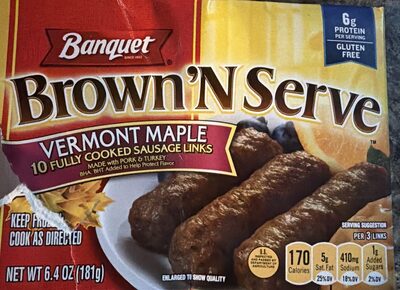
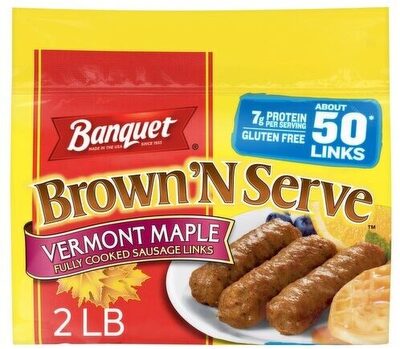
Learn more
Auto-generated content. This description was generated automatically and is pending editorial review. Inaccuracies are possible. Found a mistake? Contact us.