Vitamin D3. 6 Live Active Cultures: S
Auto-generated content. This description was generated automatically and is pending editorial review. Inaccuracies are possible. Found a mistake? Contact us.
What it is
Vitamin D3, also known as cholecalciferol, is a fat-soluble vitamin that helps the body absorb calcium. It is naturally produced in the skin when exposed to sunlight. It can also be obtained from certain foods or taken as a dietary supplement.
Why it's used
Manufacturers add vitamin D3 to foods to increase their nutritional value, as it is often lacking in the typical American diet. It is commonly added to dairy products like milk and yogurt, as well as some cereals and orange juices.
Health notes
Vitamin D is essential for bone health and immune function. The U.S. National Academies of Sciences, Engineering, and Medicine have established Upper Intake Levels (ULs) for vitamin D. The FDA considers vitamin D a nutrient that can be added to foods. Both JECFA and EFSA have evaluated vitamin D. Evidence suggests adequate vitamin D intake is important for overall health, though research continues on optimal levels and potential benefits for various conditions.
Allergen info
Vitamin D3 is not a major allergen. It is not derived from milk, egg, fish, shellfish, tree nuts, peanuts, wheat, soy, or sesame. It does not contain gluten.
Products containing Vitamin D3. 6 Live Active Cultures: S
Compare products →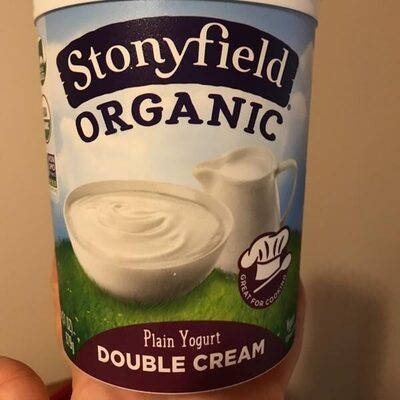 Stonyfield Farm Inc
Plain Organic Double Cream Yogurt, Plain
High in saturated fat — 45% DV per serving
High in cholesterol — 20% DV per serving
93kcal
3.5Protein
6.6Fat
5.3Carbs
Stonyfield Farm Inc
Chocolate Flavored Organic Smoothie Lowfat Yogurt, Chocolate
68kcal
3.4Protein
1.1Fat
11.9Carbs
Stonyfield Farm Inc
Peach Lowfat Yogurt, Peach
73kcal
4Protein
1Fat
11.3Carbs
Stonyfield Farm Inc
Chocolate Underground Organic Nonfat Yogurt, Chocolate Underground
High in added sugars — 26% DV per serving
73kcal
4Protein
0Fat
14.7Carbs
Stonyfield Farm Inc
Plain Organic Double Cream Yogurt, Plain
High in saturated fat — 45% DV per serving
High in cholesterol — 20% DV per serving
93kcal
3.5Protein
6.6Fat
5.3Carbs
Stonyfield Farm Inc
Chocolate Flavored Organic Smoothie Lowfat Yogurt, Chocolate
68kcal
3.4Protein
1.1Fat
11.9Carbs
Stonyfield Farm Inc
Peach Lowfat Yogurt, Peach
73kcal
4Protein
1Fat
11.3Carbs
Stonyfield Farm Inc
Chocolate Underground Organic Nonfat Yogurt, Chocolate Underground
High in added sugars — 26% DV per serving
73kcal
4Protein
0Fat
14.7Carbs
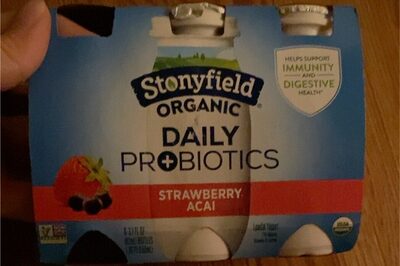 Stonyfield Farm Inc
Strawberry Acai Organic Daily Probiotics Lowfat Yogurt
65kcal
3.3Protein
1.1Fat
12.0Carbs
Stonyfield Farm Inc
Strawberry Acai Organic Daily Probiotics Lowfat Yogurt
65kcal
3.3Protein
1.1Fat
12.0Carbs
 Stonyfield Farm Inc
Strawberry Banana Kids Lowfat Yogurt, Strawberry Banana
62kcal
3.5Protein
0.9Fat
10.6Carbs
Stonyfield Farm Inc
Strawberry Banana Kids Lowfat Yogurt, Strawberry Banana
62kcal
3.5Protein
0.9Fat
10.6Carbs