Paracasei And L
What is Paracasei And L?
Lacticaseibacillus paracasei (formerly Lactobacillus paracasei) is a probiotic bacterium. It is a type of lactic acid bacteria, commonly found in fermented foods and in the human gut. It is often grown in labs for use in supplements and foods.
Is Paracasei And L vegan?
Paracasei And L is not animal-derived. Products that contain it can still include other animal-derived ingredients, so check the full ingredient list.
Is Paracasei And L a major allergen?
Not a major allergen.
What is Paracasei And L used for?
L. paracasei is added to foods as a probiotic to potentially support gut health.
Is Paracasei And L safe?
L. paracasei is generally recognized as safe (GRAS) by the FDA for use in food.
Why it's used
L. paracasei is added to foods as a probiotic to potentially support gut health. It is most often found in fermented dairy products like yogurt, kefir, and some cheeses, as well as in some dietary supplements.
Health notes
L. paracasei is generally recognized as safe (GRAS) by the FDA for use in food. Probiotic bacteria like L. paracasei are studied for their potential benefits to the digestive system, though research is ongoing. International bodies like the WHO and EFSA have reviewed probiotics, generally concluding they are safe when consumed as part of food. Evidence for specific health benefits can vary, and more research is often needed to confirm effects in humans.
Allergen info
Not a major allergen. It is a bacterium and not derived from any of the 9 FDA major allergens.
Foods that contain Paracasei And L
Compare products →
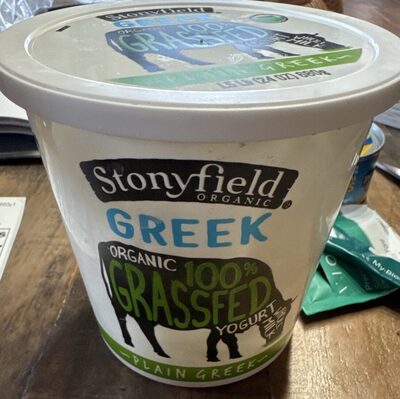

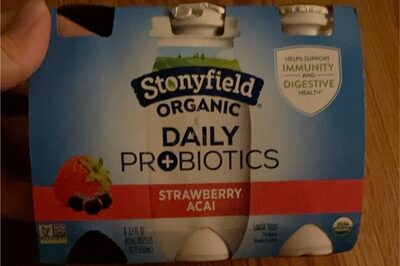 STONYFIELD
Strawberry Acai Organic Daily Probiotics Lowfat Yogurt
65kcal
3.3Protein
1.1Fat
12.0Carbs

Auto-generated content. This description was generated automatically and is pending editorial review. Inaccuracies are possible. Found a mistake? Contact us.