Waxy Cornstarch
What is Waxy Cornstarch?
Waxy cornstarch is a type of cornstarch that is high in amylopectin, a type of carbohydrate. It is derived from a specific variety of corn, known as waxy corn, which naturally contains more amylopectin than regular corn. The starch is extracted from the corn kernels through a process of wet milling.
Is Waxy Cornstarch vegan?
Waxy Cornstarch is not animal-derived. Products that contain it can still include other animal-derived ingredients, so check the full ingredient list.
Is Waxy Cornstarch gluten-free?
It does not contain gluten.
Is Waxy Cornstarch a major allergen?
Waxy cornstarch is not derived from any of the nine major allergens.
What is Waxy Cornstarch used for?
Manufacturers use waxy cornstarch primarily as a thickener and stabilizer in food products.
Is Waxy Cornstarch safe?
Waxy cornstarch is generally recognized as safe (GRAS) by the FDA for use in food.
Why it's used
Manufacturers use waxy cornstarch primarily as a thickener and stabilizer in food products. Its unique properties allow it to create smooth, creamy textures and prevent ingredients from separating. It is commonly found in sauces, gravies, soups, dairy products like yogurt, and baked goods.
Health notes
Waxy cornstarch is generally recognized as safe (GRAS) by the FDA for use in food. It is a source of carbohydrates and is digested like other starches. International bodies like JECFA have evaluated starches, and while specific evaluations for waxy cornstarch are not always detailed separately, starches are considered safe when consumed in typical amounts as part of a balanced diet. No significant health concerns are associated with its consumption at normal levels.
Allergen info
Waxy cornstarch is not derived from any of the nine major allergens. It does not contain gluten.
Foods that contain Waxy Cornstarch
Compare products →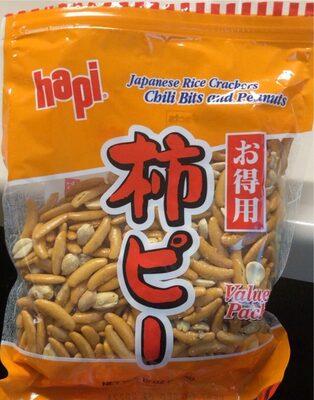 JFC International Inc.
Chili Bits And Peanuts Japanese Rice Crackers, Chili Bits And Peanuts
567kcal
16.7Protein
33.3Fat
46.7Carbs
JFC International Inc.
Chili Bits & Peanuts Japanese Style Rice Crackers
533kcal
16.7Protein
33.3Fat
43.3Carbs
Finlay Extracts & Ingredients USA, Inc.
Tuscan Garden Topped With Broccoli, Red Onions, Tomatoes And Mushrooms Authentic Italian Thin Crust Pizza, Tuscan Garden
High in sodium — 22% DV per serving
269kcal
5.5Protein
6.2Fat
30.3Carbs
JFC International Inc.
Chili Bits And Peanuts Japanese Rice Crackers, Chili Bits And Peanuts
567kcal
16.7Protein
33.3Fat
46.7Carbs
JFC International Inc.
Chili Bits & Peanuts Japanese Style Rice Crackers
533kcal
16.7Protein
33.3Fat
43.3Carbs
Finlay Extracts & Ingredients USA, Inc.
Tuscan Garden Topped With Broccoli, Red Onions, Tomatoes And Mushrooms Authentic Italian Thin Crust Pizza, Tuscan Garden
High in sodium — 22% DV per serving
269kcal
5.5Protein
6.2Fat
30.3Carbs
Learn more
Auto-generated content. This description was generated automatically and is pending editorial review. Inaccuracies are possible. Found a mistake? Contact us.