Wheat & Soy
What is Wheat & Soy?
Wheat and soy are two distinct agricultural commodities. Wheat is a grain, the seed of a grass species, and a staple food worldwide. Soybeans are legumes, grown for their edible beans, which are a major source of protein and oil.
Is Wheat & Soy vegan?
Wheat & Soy is not animal-derived. Products that contain it can still include other animal-derived ingredients, so check the full ingredient list.
Is Wheat & Soy gluten-free?
Wheat is one of the 9 major allergens and contains gluten.
What is Wheat & Soy used for?
Wheat is a primary ingredient in bread, pasta, cereals, and baked goods.
Is Wheat & Soy safe?
Both wheat and soy are common food ingredients and are generally recognized as safe by the FDA.
Why it's used
Wheat is a primary ingredient in bread, pasta, cereals, and baked goods. Soy is used to make tofu, soy milk, soy sauce, tempeh, and is also processed for its oil and protein, which are incorporated into many processed foods as emulsifiers, thickeners, or flavor enhancers.
Health notes
Both wheat and soy are common food ingredients and are generally recognized as safe by the FDA. Soy is a source of protein and isoflavones, which have been studied for various health effects, though research is ongoing. Wheat is a source of carbohydrates and fiber. Some individuals may have sensitivities or allergies to wheat (gluten) or soy.
Allergen info
Wheat is one of the 9 major allergens and contains gluten. Soy is also one of the 9 major allergens. Individuals with celiac disease or gluten sensitivity should avoid wheat.
Foods that contain Wheat & Soy
Compare products →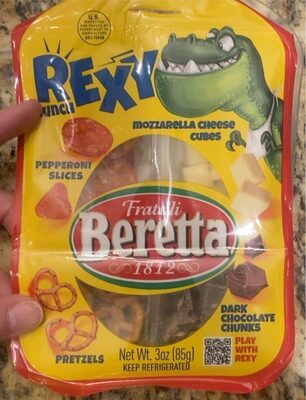 Fratelli Beretta, Usa, Inc.
Pepperoni Slices, Mozzarella Cheese Cubes, Pretzels, Dark Chocolate Chunks Rexy Lunch, Pepperoni Slices, Mozzarella Cheese Cubes, Pretzels, Dark Chocolate
High in sodium — 32% DV per serving
High in saturated fat — 45% DV per serving
365kcal
20Protein
18.8Fat
29.4Carbs
Tait Farm Foods, Inc.
Tait Farm Foods, Ginger Venaifrette, Ginger, Ginger
429kcal
0Protein
35.7Fat
14.3Carbs
J&K Distributors
Pico Chamoy Beef Jerky, Pico Chamoy Beef
286kcal
35.7Protein
3.6Fat
28.6Carbs
J&K Distributors
Carne Asada Beef Jerky, Carne Asada
High in cholesterol — 20% DV per serving
286kcal
57.1Protein
3.6Fat
10.7Carbs
Fratelli Beretta, Usa, Inc.
Pepperoni Slices, Mozzarella Cheese Cubes, Pretzels, Dark Chocolate Chunks Rexy Lunch, Pepperoni Slices, Mozzarella Cheese Cubes, Pretzels, Dark Chocolate
High in sodium — 32% DV per serving
High in saturated fat — 45% DV per serving
365kcal
20Protein
18.8Fat
29.4Carbs
Tait Farm Foods, Inc.
Tait Farm Foods, Ginger Venaifrette, Ginger, Ginger
429kcal
0Protein
35.7Fat
14.3Carbs
J&K Distributors
Pico Chamoy Beef Jerky, Pico Chamoy Beef
286kcal
35.7Protein
3.6Fat
28.6Carbs
J&K Distributors
Carne Asada Beef Jerky, Carne Asada
High in cholesterol — 20% DV per serving
286kcal
57.1Protein
3.6Fat
10.7Carbs
Learn more
Auto-generated content. This description was generated automatically and is pending editorial review. Inaccuracies are possible. Found a mistake? Contact us.