White Confectioner's Coating
What is White Confectioner's Coating?
White confectioner's coating is a sweet, pliable coating used to cover baked goods and candies. It is typically made from sugar, vegetable oil (often palm kernel oil), and flavorings like vanilla. Sometimes milk solids are included for a richer flavor and texture.
Is White Confectioner's Coating gluten-free?
It is not derived from any of the other major allergens and does not contain gluten.
Is White Confectioner's Coating a major allergen?
White confectioner's coating may contain milk if milk solids are included.
What is White Confectioner's Coating used for?
Manufacturers use white confectioner's coating for its ability to create a smooth, even finish that hardens when cool.
Is White Confectioner's Coating safe?
White confectioner's coating is generally recognized as safe (GRAS) by the FDA when used as intended.
Why it's used
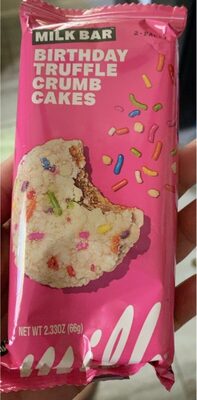
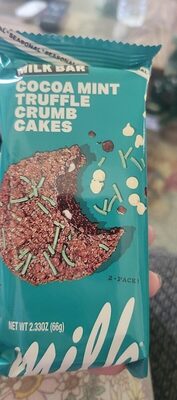
Manufacturers use white confectioner's coating for its ability to create a smooth, even finish that hardens when cool. It adds sweetness and a pleasant mouthfeel. It is commonly found on snack cakes, cookies, muffins, croissants, and candies.
Health notes
White confectioner's coating is generally recognized as safe (GRAS) by the FDA when used as intended. It is primarily composed of sugar and fat, and like other high-sugar, high-fat foods, its consumption should be moderate as part of a balanced diet. Regulatory bodies like JECFA and EFSA have evaluated many of the individual components used in confectioner's coatings.
Allergen info
White confectioner's coating may contain milk if milk solids are included. It is not derived from any of the other major allergens and does not contain gluten.
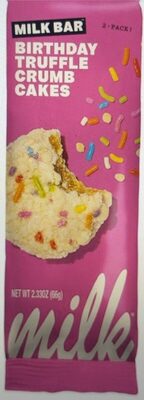
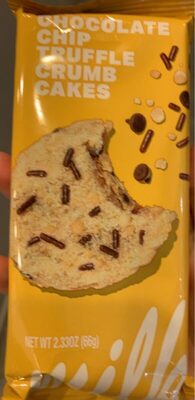
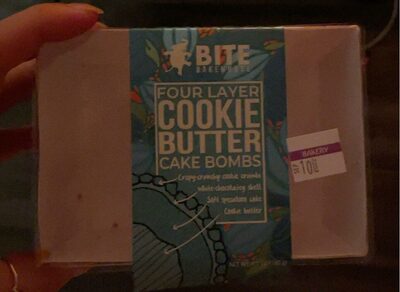
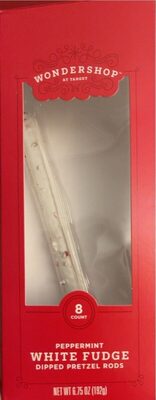
Foods that contain White Confectioner's Coating
Compare products →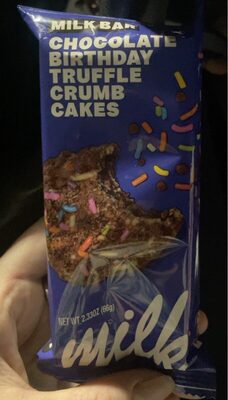
Auto-generated content. This description was generated automatically and is pending editorial review. Inaccuracies are possible. Found a mistake? Contact us.