White Morsels
Auto-generated content. This description was generated automatically and is pending editorial review. Inaccuracies are possible. Found a mistake? Contact us.
What it is
White morsels are small, solid pieces of a sweet, creamy food product. They are typically made from sugar, milk solids, cocoa butter (for white chocolate), or other vegetable fats, along with flavorings like vanilla and an emulsifier like soy lecithin. These ingredients are blended, refined, and then molded into small shapes like chips or chunks.
Why it's used
Manufacturers add white morsels to foods primarily for their sweet flavor, creamy texture, and visual appeal. They are commonly used in baked goods such as cookies, muffins, and brownies, as well as in snack mixes, desserts, and as a decorative topping.
Health notes
White morsels are a source of added sugars and fats, including saturated fat, depending on their specific formulation. The FDA generally recognizes the individual ingredients (sugar, milk solids, cocoa butter, vegetable fats) as safe. The 2025-2030 Dietary Guidelines for Americans recommend no amount of added sugars and advise keeping saturated fat intake under 10% of daily calories. No specific health implications are attributed to "white morsels" as a whole by major health organizations beyond general dietary advice for sugar and fat intake.
Allergen info
White morsels commonly contain milk and soy (often from soy lecithin). These are two of the nine major food allergens identified by the FDA.
Products containing White Morsels
Compare products →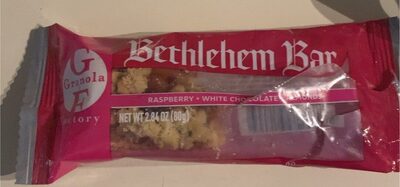 Lisa Produce
Raspberry, White Chocolate, Almonds Bethlehem Bar, Raspberry, White Chocolate, Almonds
High in saturated fat — 25% DV per serving
High in added sugars — 26% DV per serving
475kcal
7.5Protein
22.5Fat
62.5Carbs
Nestle USA Inc.
Sweet & Salty Snack Mix, Sweet & Salty
High in saturated fat — 25% DV per serving
543kcal
8.6Protein
31.4Fat
57.1Carbs
Nestle USA Inc.
Sweet & Salty Chocolate Chip Cookies, Toll House Premier White Morsels, Peanuts, Buncha Crunch Snack Mix, Sweet & Salty
High in saturated fat — 25% DV per serving
High in added sugars — 28% DV per serving
543kcal
8.6Protein
31.4Fat
57.1Carbs
Amarillo Globe-News
Betty Jean Chocolate Chip, Vanilla Chip & Pecan Frozen Gourmet Cookie Dough, Betty Jean Chocolate Chip, Vanilla Chip & Pecan
High in saturated fat — 30% DV per serving
High in added sugars — 40% DV per serving
456kcal
5.3Protein
22.8Fat
59.6Carbs
Lisa Produce
Raspberry, White Chocolate, Almonds Bethlehem Bar, Raspberry, White Chocolate, Almonds
High in saturated fat — 25% DV per serving
High in added sugars — 26% DV per serving
475kcal
7.5Protein
22.5Fat
62.5Carbs
Nestle USA Inc.
Sweet & Salty Snack Mix, Sweet & Salty
High in saturated fat — 25% DV per serving
543kcal
8.6Protein
31.4Fat
57.1Carbs
Nestle USA Inc.
Sweet & Salty Chocolate Chip Cookies, Toll House Premier White Morsels, Peanuts, Buncha Crunch Snack Mix, Sweet & Salty
High in saturated fat — 25% DV per serving
High in added sugars — 28% DV per serving
543kcal
8.6Protein
31.4Fat
57.1Carbs
Amarillo Globe-News
Betty Jean Chocolate Chip, Vanilla Chip & Pecan Frozen Gourmet Cookie Dough, Betty Jean Chocolate Chip, Vanilla Chip & Pecan
High in saturated fat — 30% DV per serving
High in added sugars — 40% DV per serving
456kcal
5.3Protein
22.8Fat
59.6Carbs