Wood Smoke
Auto-generated content. This description was generated automatically and is pending editorial review. Inaccuracies are possible. Found a mistake? Contact us.
What it is
Wood smoke is the vapor and particulate matter released when wood is burned. It is produced by burning hardwoods like oak, hickory, or maple in controlled environments. The smoke is then typically filtered and condensed to create liquid smoke flavoring.
Why it's used
Manufacturers use liquid smoke to impart a smoky flavor to foods without actual smoking. It is commonly found in processed meats, sauces, snacks, and seafood products. It provides a convenient way to add a desirable smoky taste and aroma.
Health notes
Wood smoke flavoring is generally recognized as safe (GRAS) by the FDA when used as intended. It contains compounds that can be harmful at high concentrations, but levels in food are considered safe. The World Health Organization (WHO) and the International Agency for Research on Cancer (IARC) have classified wood smoke itself as a carcinogen, but this refers to direct, prolonged exposure, not the processed flavoring used in foods. Regulatory bodies like EFSA have also evaluated smoke flavorings.
Allergen info
Wood smoke flavoring is not derived from any of the 9 FDA major allergens. It does not contain gluten.
Products containing Wood Smoke
Compare products →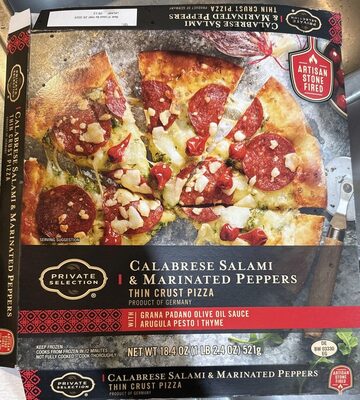 The Kroger Co.
Calabrese Salami & Marinated Peppers With Olive Oil Grana Padano Sauce, Arugula Pesto, Thyme Thin Crust Pizza, Calabrese Salami & Marinated Peppers
High in sodium — 34% DV per serving
High in saturated fat — 35% DV per serving
292kcal
12.3Protein
13.8Fat
30.8Carbs
The Kroger Co.
Calabrese Salami & Marinated Peppers With Olive Oil Grana Padano Sauce, Arugula Pesto, Thyme Thin Crust Pizza, Calabrese Salami & Marinated Peppers
High in sodium — 34% DV per serving
High in saturated fat — 35% DV per serving
292kcal
12.3Protein
13.8Fat
30.8Carbs
 Bottisti's Pizzeria
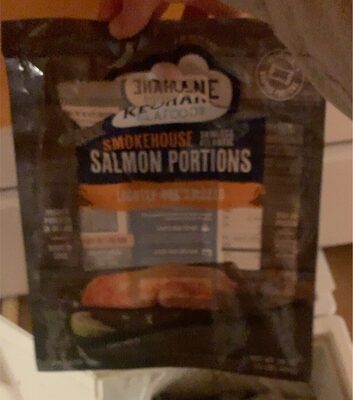
Lightly Oak Smoked Smokehuouse Salmon Portions, Lightly Oak Smoked
High in sodium — 29% DV per serving
High in cholesterol — 20% DV per serving
142kcal
18.6Protein
7.1Fat
0Carbs
Bottisti's Pizzeria
Lightly Oak Smoked Smokehuouse Salmon Portions, Lightly Oak Smoked
High in sodium — 29% DV per serving
High in cholesterol — 20% DV per serving
142kcal
18.6Protein
7.1Fat
0Carbs