Worcester Sauce
Auto-generated content. This description was generated automatically and is pending editorial review. Inaccuracies are possible. Found a mistake? Contact us.
What it is
Worcester sauce is a fermented liquid condiment known for its savory, tangy, and slightly sweet flavor. It originated in Worcester, England, and is typically made from a base of vinegar, molasses, sugar, salt, anchovies, tamarind extract, onions, garlic, and various spices. These ingredients are aged together to develop its distinct taste profile.
Why it's used
Manufacturers add Worcester sauce primarily as a flavor enhancer to a wide variety of prepared foods. It provides a complex umami, savory, and tangy note, often used in marinades, salad dressings, soups, stews, and meat dishes. It is also a common ingredient in many sauces, such as BBQ sauce and cocktail sauce.
Health notes
Worcester sauce is regulated by the FDA as a food product, not as a food additive, and is generally recognized as safe for consumption. Due to its salt content, consuming large amounts of Worcester sauce can contribute to daily sodium intake; the FDA Daily Value for sodium is 2,300 mg. It also contains some added sugars, and the 2025-2030 Dietary Guidelines for Americans recommend no amount of added sugars. There are no specific health controversies associated with Worcester sauce itself, beyond general dietary recommendations for sodium and sugar intake.
Allergen info
Traditional Worcester sauce contains anchovies, which are a type of fish, one of the 9 FDA major allergens. Some formulations may also contain ingredients derived from wheat (gluten) or soy, depending on the specific recipe.
Products containing Worcester Sauce
Compare products →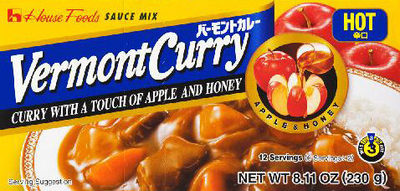 House Foods Corporation
House Foods, Vermont Curry Soup Mix, Apple & Honey, Apple & Honey
High in sodium — 38% DV per serving
526kcal
5.3Protein
36.8Fat
47.4Carbs
Fratelli Polli Spa
Polli, Italian Antipasto Vegetables And Tuna
67kcal
3.3Protein
3.3Fat
3.3Carbs
Grand Supercenter Inc.
Haioreum, Korean Style Pork BBQ Sauce
High in sodium — 28% DV per serving
160kcal
3.3Protein
0Fat
36.7Carbs
Rhee Bros. Inc.
Bulgogi Spicy Korean BBQ Sauce, Bulgogi Spicy Korean BBQ
135kcal
0Protein
0Fat
32.4Carbs
JFC International Inc.
Myojo, Japanese Style Noodles
High in sodium — 83% DV per serving
High in saturated fat — 60% DV per serving
443kcal
8.1Protein
19.9Fat
57.6Carbs
House Foods Corporation
House Foods, Vermont Curry Soup Mix, Apple & Honey, Apple & Honey
High in sodium — 38% DV per serving
526kcal
5.3Protein
36.8Fat
47.4Carbs
Fratelli Polli Spa
Polli, Italian Antipasto Vegetables And Tuna
67kcal
3.3Protein
3.3Fat
3.3Carbs
Grand Supercenter Inc.
Haioreum, Korean Style Pork BBQ Sauce
High in sodium — 28% DV per serving
160kcal
3.3Protein
0Fat
36.7Carbs
Rhee Bros. Inc.
Bulgogi Spicy Korean BBQ Sauce, Bulgogi Spicy Korean BBQ
135kcal
0Protein
0Fat
32.4Carbs
JFC International Inc.
Myojo, Japanese Style Noodles
High in sodium — 83% DV per serving
High in saturated fat — 60% DV per serving
443kcal
8.1Protein
19.9Fat
57.6Carbs