Xanthan Gum And EDTA
What is Xanthan Gum And EDTA?
Xanthan gum is a polysaccharide, a type of carbohydrate, produced by the fermentation of sugar by the bacterium Xanthomonas campestris. EDTA (ethylenediaminetetraacetic acid) is a synthetic compound. Both are often used together in food products.
Is Xanthan Gum And EDTA vegan?
Xanthan Gum And EDTA is not animal-derived. Products that contain it can still include other animal-derived ingredients, so check the full ingredient list.
Is Xanthan Gum And EDTA a major allergen?
Xanthan gum is not derived from major allergens.
What is Xanthan Gum And EDTA used for?
Xanthan gum is primarily used as a thickener and stabilizer in foods like salad dressings, sauces, and baked goods.
Is Xanthan Gum And EDTA safe?
Xanthan gum is generally recognized as safe (GRAS) by the FDA and is widely used.
Why it's used
Xanthan gum is primarily used as a thickener and stabilizer in foods like salad dressings, sauces, and baked goods. EDTA is used as a preservative to prevent spoilage by chelating metal ions, which can cause fats to go rancid. Together, they help maintain the texture and shelf life of products such as deli salads.
Health notes
Xanthan gum is generally recognized as safe (GRAS) by the FDA and is widely used. EDTA is also approved by the FDA for use in food. Both are consumed in small amounts and are not associated with significant health concerns at typical dietary levels. JECFA and EFSA have evaluated these ingredients, and they are permitted for use in many countries.
Allergen info
Xanthan gum is not derived from major allergens. EDTA is synthetic and not an allergen. Not a major allergen.
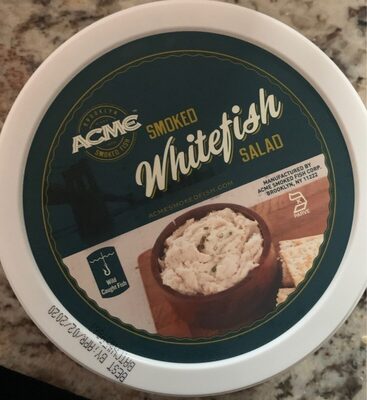
Foods that contain Xanthan Gum And EDTA
Compare products →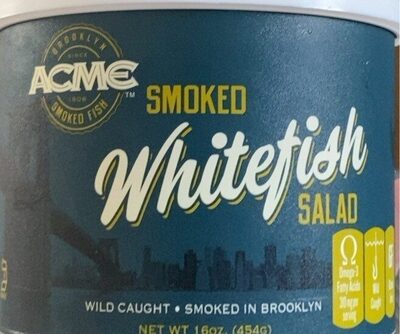
Learn more
Auto-generated content. This description was generated automatically and is pending editorial review. Inaccuracies are possible. Found a mistake? Contact us.