Xylitol
Auto-generated content. This description was generated automatically and is pending editorial review. Inaccuracies are possible. Found a mistake? Contact us.
What it is
Xylitol is a sugar alcohol that occurs naturally in small amounts in many fruits and vegetables. It is commercially produced from xylose, a sugar derived from plant materials like birch wood or corn cobs, through a chemical process.
Why it's used
Xylitol is used as a low-calorie sweetener in a variety of food products, including sugar-free gum, candies, baked goods, and toothpaste. It provides a sweetness similar to sugar but with fewer calories and does not contribute to tooth decay.
Health notes
Xylitol is Generally Recognized As Safe (GRAS) by the FDA for use as a food additive. It is known to have a laxative effect in some individuals if consumed in large quantities. The Joint FAO/WHO Expert Committee on Food Additives (JECFA) and the European Food Safety Authority (EFSA) have evaluated xylitol and established acceptable daily intakes. While generally considered safe, some studies have explored its potential impact on gut microbiota, though more research is needed.
Allergen info
Xylitol is not derived from any of the nine FDA major allergens and does not contain gluten.
Products containing Xylitol
Compare products →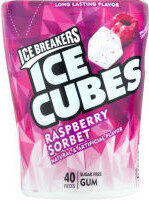 ICE BREAKERS
Raspberry Sorbet Ice Cubes
217kcal
0Protein
0Fat
87.0Carbs
ICE BREAKERS
Raspberry Sorbet Ice Cubes
217kcal
0Protein
0Fat
87.0Carbs
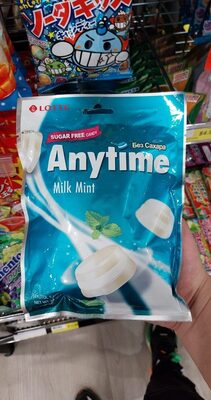 LOTTE
Xylitol Mint Candy
219kcal
0Protein
4.1Fat
75Carbs
LOTTE
Xylitol Mint Candy
219kcal
0Protein
4.1Fat
75Carbs
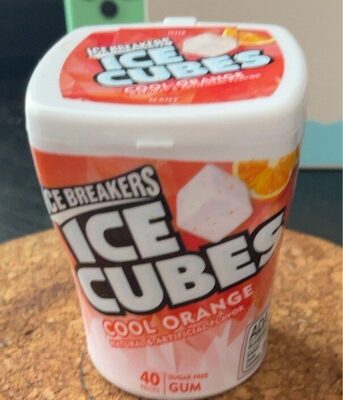 ICE BREAKERS
Sugar Free Gum
217kcal
0Protein
0Fat
87.0Carbs
ICE BREAKERS
Sugar Free Gum
217kcal
0Protein
0Fat
87.0Carbs
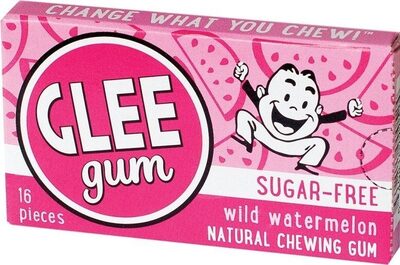 Verve, Inc.
Sugar-Free Gum, Watermelon
200kcal
0Protein
0Fat
80Carbs
Verve, Inc.
Sugar-Free Gum, Watermelon
200kcal
0Protein
0Fat
80Carbs
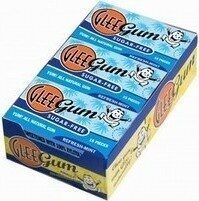 Verve, Inc.
Sugar-Free Gum, Peppermint
200kcal
0Protein
0Fat
80Carbs
Verve, Inc.
Sugar-Free Gum, Peppermint
200kcal
0Protein
0Fat
80Carbs
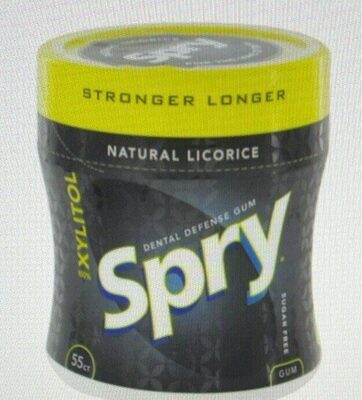 SPRY
Xylitol Dental Defense Gum
171kcal
0Protein
0Fat
71.4Carbs
SPRY
Xylitol Dental Defense Gum
171kcal
0Protein
0Fat
71.4Carbs
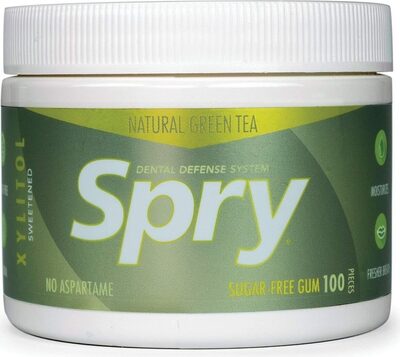 SPRY
Dental Defense Green Tea Gum
157kcal
0Protein
0Fat
66.7Carbs
SPRY
Dental Defense Green Tea Gum
157kcal
0Protein
0Fat
66.7Carbs