Xylo-oligosaccharides
What is Xylo-oligosaccharides?
Xylo-oligosaccharides (XOS) are short chains of sugar molecules derived from xylose. They are typically produced by breaking down plant-based materials, such as corn cobs or bamboo, using enzymes.
Is Xylo-oligosaccharides vegan?
Xylo-oligosaccharides is not animal-derived. Products that contain it can still include other animal-derived ingredients, so check the full ingredient list.
Is Xylo-oligosaccharides gluten-free?
Xylo-oligosaccharides are not derived from any of the FDA's major allergens and do not contain gluten.
What is Xylo-oligosaccharides used for?
XOS are often used as a prebiotic fiber, meaning they can feed beneficial bacteria in the gut.
Is Xylo-oligosaccharides safe?
XOS are generally recognized as safe (GRAS) by the FDA for use in certain foods.
Why it's used
XOS are often used as a prebiotic fiber, meaning they can feed beneficial bacteria in the gut. Manufacturers add them to foods like beverages, dairy products, and baked goods to boost their fiber content and potentially support digestive health.
Health notes
XOS are generally recognized as safe (GRAS) by the FDA for use in certain foods. They are considered a type of dietary fiber and may contribute to improved gut health by promoting the growth of beneficial gut bacteria. Regulatory bodies like EFSA have also evaluated similar prebiotic fibers. While generally well-tolerated, consuming large amounts may cause mild digestive discomfort in some individuals.
Allergen info
Xylo-oligosaccharides are not derived from any of the FDA's major allergens and do not contain gluten.
Foods that contain Xylo-oligosaccharides
Compare products →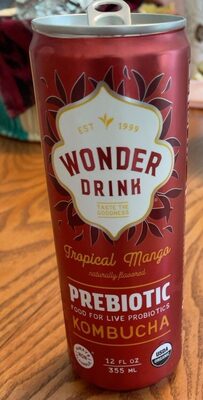
Auto-generated content. This description was generated automatically and is pending editorial review. Inaccuracies are possible. Found a mistake? Contact us.