Yellow Mustard Seed
What is Yellow Mustard Seed?
Yellow mustard seed comes from the *Brassica hirta* (or *Sinapis alba*) plant, a species of mustard. The seeds are small, round, and typically yellow or tan. After harvesting, the seeds are dried and can be used whole, ground, or processed into mustard paste.
Is Yellow Mustard Seed vegan?
Yellow Mustard Seed is not animal-derived. Products that contain it can still include other animal-derived ingredients, so check the full ingredient list.
Is Yellow Mustard Seed a major allergen?
Mustard is one of the nine major food allergens recognized by the FDA.
What is Yellow Mustard Seed used for?
Yellow mustard seed is primarily used as a spice and flavoring agent, providing a pungent, slightly sharp taste.
Is Yellow Mustard Seed safe?
Yellow mustard seed is generally recognized as safe (GRAS) by the FDA for use as a food ingredient.
Why it's used
Yellow mustard seed is primarily used as a spice and flavoring agent, providing a pungent, slightly sharp taste. It is a key ingredient in prepared mustard and is also used to flavor pickles, relishes, salad dressings, and processed meats. Its flavor develops when ground and mixed with liquid.
Health notes
Yellow mustard seed is generally recognized as safe (GRAS) by the FDA for use as a food ingredient. It is a source of various nutrients and compounds that may have health benefits, though research is ongoing. International bodies like JECFA have evaluated mustard and its preparations. At typical dietary levels, it is not associated with adverse health effects.
Allergen info
Mustard is one of the nine major food allergens recognized by the FDA. Individuals with a mustard allergy should avoid products containing yellow mustard seed.
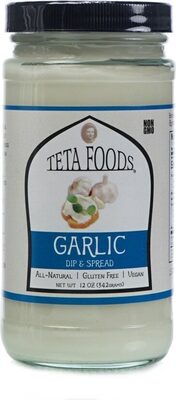
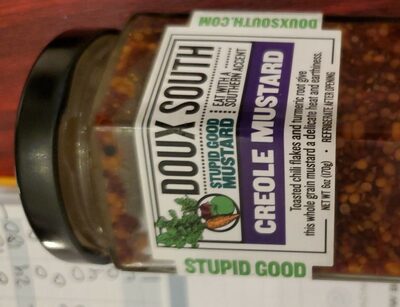
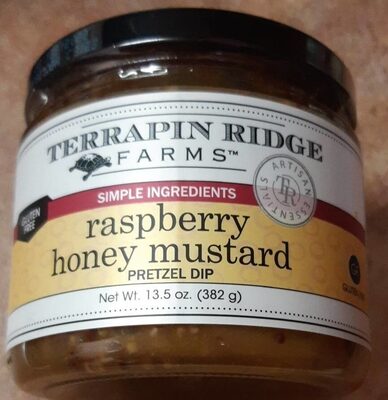
Foods that contain Yellow Mustard Seed
Compare products →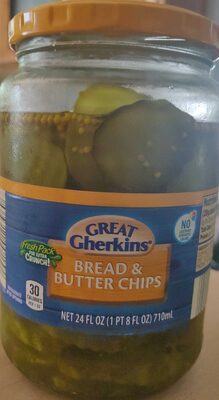
Learn more
Auto-generated content. This description was generated automatically and is pending editorial review. Inaccuracies are possible. Found a mistake? Contact us.