0.1% As Preservative
What is 0.1% As Preservative?
This ingredient is a preservative used to prevent spoilage and extend the shelf life of food products. It is a synthetic chemical compound.
Is 0.1% As Preservative vegan?
0.1% As Preservative is not animal-derived. Products that contain it can still include other animal-derived ingredients, so check the full ingredient list.
Is 0.1% As Preservative a major allergen?
Not a major allergen.
What is 0.1% As Preservative used for?
Manufacturers add it to inhibit the growth of mold, yeast, and bacteria, which helps maintain the quality and safety of foods like ketchup, mustard, and sauces.
Is 0.1% As Preservative safe?
In the US, this preservative is generally recognized as safe (GRAS) by the FDA when used according to good manufacturing practices.
Why it's used
Manufacturers add it to inhibit the growth of mold, yeast, and bacteria, which helps maintain the quality and safety of foods like ketchup, mustard, and sauces. It is often found in condiments and canned seafood products.
Health notes
In the US, this preservative is generally recognized as safe (GRAS) by the FDA when used according to good manufacturing practices. Regulatory bodies like JECFA have evaluated its safety. While generally considered safe at typical consumption levels, some studies have explored potential effects at very high doses, though evidence is mixed and not conclusive for typical dietary intake.
Allergen info
Not a major allergen.
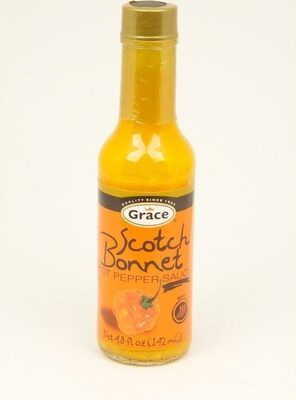
Foods that contain 0.1% As Preservative
Compare products →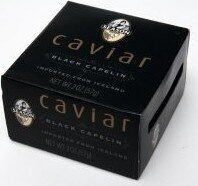
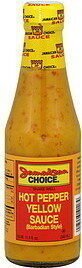
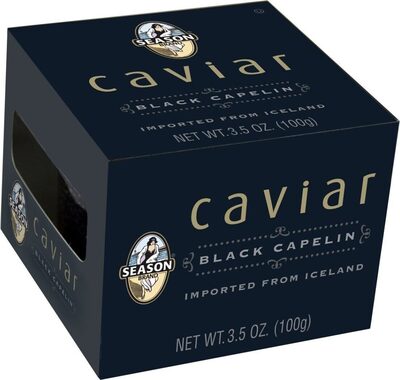
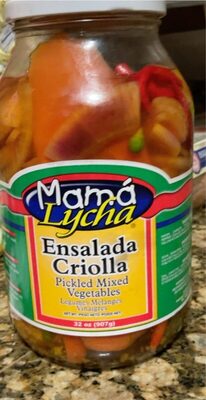 Mama Lycha
Ensalada Criolla Pickled Mixed Vegetables, Ensalada Criolla
17kcal
0Protein
0Fat
3.3Carbs
Learn more
Auto-generated content. This description was generated automatically and is pending editorial review. Inaccuracies are possible. Found a mistake? Contact us.