100% Manioc
What is 100% Manioc?
Manioc, also known as cassava or yuca, is a starchy root vegetable native to South America. It is a staple food in many tropical regions. The root is typically processed into flour or starch for use in cooking and baking.
Is 100% Manioc vegan?
100% Manioc is not animal-derived. Products that contain it can still include other animal-derived ingredients, so check the full ingredient list.
Is 100% Manioc gluten-free?
It is naturally gluten-free.
Is 100% Manioc a major allergen?
Manioc is not derived from any of the 9 FDA major allergens.
What is 100% Manioc used for?
Manufacturers use manioc flour and starch as a gluten-free alternative to wheat flour in baked goods like bread, muffins, and pizza crusts.
Is 100% Manioc safe?
Manioc is generally recognized as safe (GRAS) by the FDA for food use.
Why it's used
Manufacturers use manioc flour and starch as a gluten-free alternative to wheat flour in baked goods like bread, muffins, and pizza crusts. Its starchy nature helps bind ingredients and provides structure in gluten-free recipes.
Health notes
Manioc is generally recognized as safe (GRAS) by the FDA for food use. It is a source of carbohydrates and some nutrients. JECFA has evaluated manioc and its derivatives. Like other starchy foods, excessive consumption can contribute to high blood sugar levels.
Allergen info
Manioc is not derived from any of the 9 FDA major allergens. It is naturally gluten-free.
Foods that contain 100% Manioc
Compare products →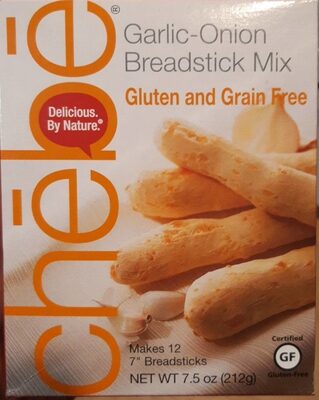
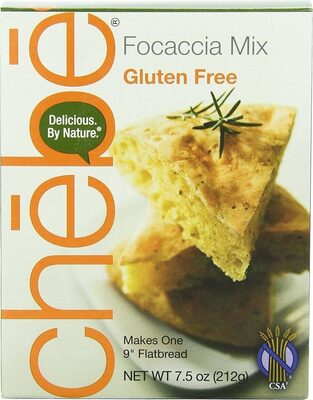
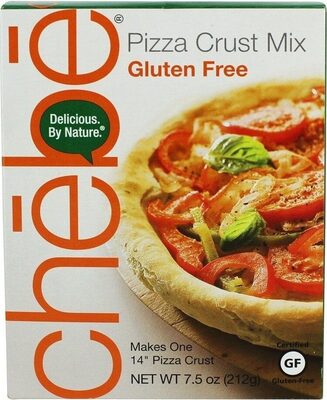
Learn more
Auto-generated content. This description was generated automatically and is pending editorial review. Inaccuracies are possible. Found a mistake? Contact us.