100% Organic Arabica Coffee
What is 100% Organic Arabica Coffee?
100% Organic Arabica Coffee is made from the beans of the Arabica coffee plant, which is native to Ethiopia. The beans are roasted to develop their flavor and aroma. The term "organic" means the coffee was grown without synthetic pesticides or fertilizers.
Is 100% Organic Arabica Coffee vegan?
100% Organic Arabica Coffee is not animal-derived. Products that contain it can still include other animal-derived ingredients, so check the full ingredient list.
Is 100% Organic Arabica Coffee gluten-free?
Coffee is not one of the nine major allergens and does not contain gluten.
What is 100% Organic Arabica Coffee used for?
Coffee beans are primarily used to make beverages.
Is 100% Organic Arabica Coffee safe?
Coffee is generally recognized as safe (GRAS) by the FDA for its intended use as a food ingredient.
Why it's used
Coffee beans are primarily used to make beverages. They can be brewed hot or cold, and are often used in ready-to-drink coffee products, flavored coffees, and cold brew concentrates.
Health notes
Coffee is generally recognized as safe (GRAS) by the FDA for its intended use as a food ingredient. The FDA has not set a specific limit for coffee consumption. Caffeine, a natural component of coffee, is a stimulant that can affect alertness and energy levels. Some studies suggest potential health benefits associated with moderate coffee consumption, while others note potential negative effects like anxiety or sleep disturbances in sensitive individuals. JECFA and EFSA have evaluated coffee and its components.
Allergen info
Coffee is not one of the nine major allergens and does not contain gluten.
Foods that contain 100% Organic Arabica Coffee
Compare products →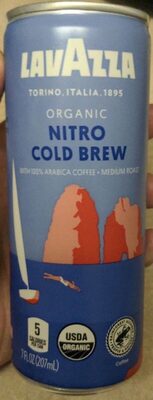 Lavazza Premium Coffees Inc.
Medium Roast Nitro Cold Brew Organic 100% Arabica Coffee, Nitro Cold Brew
2kcal
0Protein
0Fat
0.5Carbs
Lavazza Premium Coffees Inc.
Medium Roast Nitro Cold Brew Organic 100% Arabica Coffee, Nitro Cold Brew
2kcal
0Protein
0Fat
0.5Carbs
 Lavazza Premium Coffees Inc.
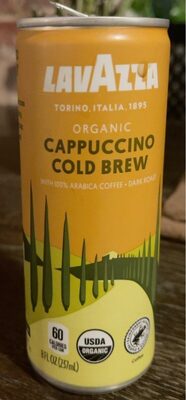
Organic Cold Brew With 100% Arabica Coffee, Cappuccino Dark Roast, Cappuccino Dark Roast
25kcal
0.8Protein
0.4Fat
4.6Carbs
Lavazza Premium Coffees Inc.
Medium Roast Chocolaty & Fruity Flavor Organic Classic Cold Brew 100% Arabica Coffee, Chocolaty & Fruity
4kcal
0Protein
0Fat
0.8Carbs
Lavazza Premium Coffees Inc.
Dark Roast Cappuccino Cold Brew Organic 100% Arabica Coffee, Cappuccino Cold Brew
25kcal
0.8Protein
0.4Fat
4.6Carbs
Lavazza Premium Coffees Inc.
Medium Roast Nitro Cold Brew Organic 100% Arabica Coffee, Nitro Cold Brew
2kcal
0Protein
0Fat
0.5Carbs
Lavazza Premium Coffees Inc.
Organic Cold Brew With 100% Arabica Coffee, Cappuccino Dark Roast, Cappuccino Dark Roast
25kcal
0.8Protein
0.4Fat
4.6Carbs
Lavazza Premium Coffees Inc.
Medium Roast Chocolaty & Fruity Flavor Organic Classic Cold Brew 100% Arabica Coffee, Chocolaty & Fruity
4kcal
0Protein
0Fat
0.8Carbs
Lavazza Premium Coffees Inc.
Dark Roast Cappuccino Cold Brew Organic 100% Arabica Coffee, Cappuccino Cold Brew
25kcal
0.8Protein
0.4Fat
4.6Carbs
Lavazza Premium Coffees Inc.
Medium Roast Nitro Cold Brew Organic 100% Arabica Coffee, Nitro Cold Brew
2kcal
0Protein
0Fat
0.5Carbs
Auto-generated content. This description was generated automatically and is pending editorial review. Inaccuracies are possible. Found a mistake? Contact us.