100% Organic Extra Virgin Olive Oil
What is 100% Organic Extra Virgin Olive Oil?
100% Organic Extra Virgin Olive Oil is the highest grade of olive oil, made from the fruit of the olive tree. It is produced by crushing olives and extracting the oil using mechanical or other physical means, without the use of heat or chemicals. The 'organic' label means it was produced without synthetic pesticides or fertilizers.
Is 100% Organic Extra Virgin Olive Oil vegan?
100% Organic Extra Virgin Olive Oil is not animal-derived. Products that contain it can still include other animal-derived ingredients, so check the full ingredient list.
Is 100% Organic Extra Virgin Olive Oil a major allergen?
Not a major allergen.
What is 100% Organic Extra Virgin Olive Oil used for?
Manufacturers use it as a cooking oil, a base for salad dressings, and as a finishing oil for flavor.
Is 100% Organic Extra Virgin Olive Oil safe?
The U.S. Food and Drug Administration (FDA) recognizes olive oil as Generally Recognized As Safe (GRAS).
Why it's used
Manufacturers use it as a cooking oil, a base for salad dressings, and as a finishing oil for flavor. Its rich, fruity taste makes it a popular choice in Mediterranean cuisine and for consumers seeking a flavorful, healthy fat.
Health notes
The U.S. Food and Drug Administration (FDA) recognizes olive oil as Generally Recognized As Safe (GRAS). It is a source of monounsaturated fats, which are considered healthy fats. International bodies like the European Food Safety Authority (EFSA) have evaluated olive oil and its components. Research suggests that olive oil consumption may be associated with cardiovascular benefits, though it is not a cure for any disease.
Allergen info
Not a major allergen. Olive oil is derived from olives, which are fruits, not one of the nine major allergens.
Foods that contain 100% Organic Extra Virgin Olive Oil
Compare products →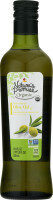 Ahold USA, Inc.
Giant, Nature's Promise, Organic Extra Virgin Olive Oil
800kcal
0Protein
93.3Fat
0Carbs
Ahold USA, Inc.
Giant, Nature's Promise, Organic Extra Virgin Olive Oil
800kcal
0Protein
93.3Fat
0Carbs
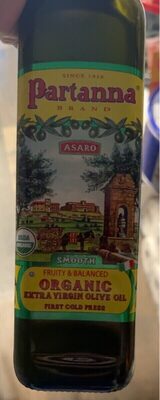 Finetune Recordings, Inc.
Unfiltered Extra Virgin Olive Oil
800kcal
0Protein
93.3Fat
0Carbs
Finetune Recordings, Inc.
Unfiltered Extra Virgin Olive Oil
800kcal
0Protein
93.3Fat
0Carbs
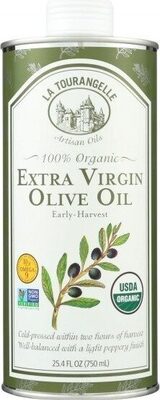 La Tourangelle, Inc
100% Organic Extra Virgin Olive Oil
867kcal
0Protein
93.3Fat
0Carbs
La Tourangelle, Inc
100% Organic Extra Virgin Olive Oil
867kcal
0Protein
93.3Fat
0Carbs
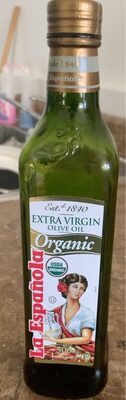 Aceites Del Sur, S.A.
Organic Extra Virgin Olive Oil
867kcal
0Protein
93.3Fat
0Carbs
Aceites Del Sur, S.A.
Organic Extra Virgin Olive Oil
867kcal
0Protein
93.3Fat
0Carbs
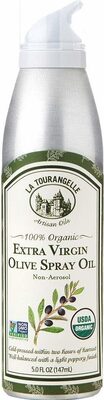 La Tourangelle, Inc
Organic Extra Virgin Olive Oil Spray
0kcal
0Protein
0Fat
0Carbs
La Tourangelle, Inc
Organic Extra Virgin Olive Oil Spray
0kcal
0Protein
0Fat
0Carbs
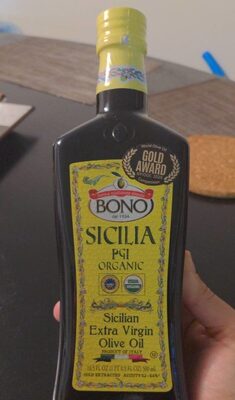 Z-Man Fishing Products, Inc.
Sicilian Extra Virgin Olive Oil
800kcal
0Protein
93.3Fat
0Carbs
Z-Man Fishing Products, Inc.
Sicilian Extra Virgin Olive Oil
800kcal
0Protein
93.3Fat
0Carbs
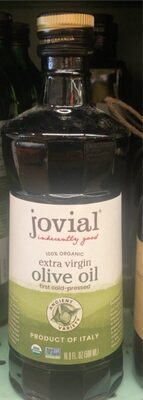 Jovial Foods, Inc.
Organic First Cold-Pressed Extra Virgin Olive Oil
867kcal
0Protein
93.3Fat
—Carbs
Jovial Foods, Inc.
Organic First Cold-Pressed Extra Virgin Olive Oil
867kcal
0Protein
93.3Fat
—Carbs
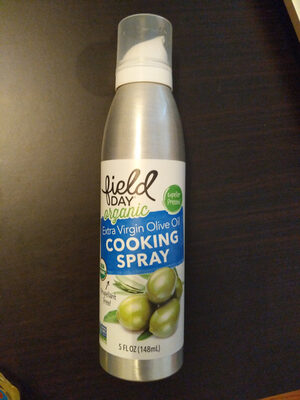 United Natural Foods, Inc.
Extra Virgin Olive Oil Organic Cooking Spray, Extra Virgin Olive Oil
0kcal
0Protein
0Fat
0Carbs
United Natural Foods, Inc.
Extra Virgin Olive Oil Organic Cooking Spray, Extra Virgin Olive Oil
0kcal
0Protein
0Fat
0Carbs
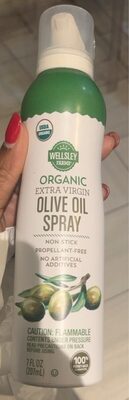 BJ's Wholesale Club / Corporate Brands
Organic Extra Virgin Olive Oil Spray
0kcal
0Protein
0Fat
0Carbs
BJ's Wholesale Club / Corporate Brands
Organic Extra Virgin Olive Oil Spray
0kcal
0Protein
0Fat
0Carbs
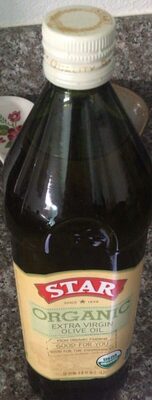 Star Fine Fo0ds, Inc.
Organic Extra Virgin Olive Oil
800kcal
0Protein
93.3Fat
0Carbs
Star Fine Fo0ds, Inc.
Organic Extra Virgin Olive Oil
800kcal
0Protein
93.3Fat
0Carbs
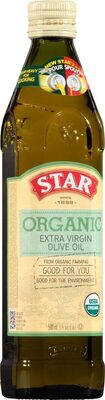 Star Fine Fo0ds, Inc.
Organic Extra Virgin Olive Oil
800kcal
0Protein
93.3Fat
0Carbs
ZEJD BIO
Organic Extra Virgin Olive Oil
840kcal
0Protein
93.3Fat
0Carbs
Star Fine Fo0ds, Inc.
Organic Extra Virgin Olive Oil
800kcal
0Protein
93.3Fat
0Carbs
ZEJD BIO
Organic Extra Virgin Olive Oil
840kcal
0Protein
93.3Fat
0Carbs
Learn more
Auto-generated content. This description was generated automatically and is pending editorial review. Inaccuracies are possible. Found a mistake? Contact us.