100% Pure Coconut Oil
What is 100% Pure Coconut Oil?
Coconut oil is an edible oil extracted from the meat of mature coconuts. It is obtained by pressing the dried or fresh meat of the coconut, a process that separates the oil from the solid parts. This oil is known for its distinct flavor and aroma.
Is 100% Pure Coconut Oil vegan?
100% Pure Coconut Oil is not animal-derived. Products that contain it can still include other animal-derived ingredients, so check the full ingredient list.
Is 100% Pure Coconut Oil a major allergen?
The FDA identifies coconut as a tree nut for food labeling purposes, although botanically it is a fruit.
What is 100% Pure Coconut Oil used for?
Manufacturers use coconut oil primarily as a cooking oil and a source of fat in various food products.
Is 100% Pure Coconut Oil safe?
Coconut oil is generally recognized as safe (GRAS) by the FDA for its intended uses.
Why it's used
Manufacturers use coconut oil primarily as a cooking oil and a source of fat in various food products. It is valued for its stability at high temperatures and its unique flavor profile, making it suitable for frying, baking, and as an ingredient in processed foods.
Health notes
Coconut oil is generally recognized as safe (GRAS) by the FDA for its intended uses. It is high in saturated fat, and the 2025-2030 Dietary Guidelines for Americans recommend limiting saturated fat intake to less than 10% of daily calories. JECFA has evaluated coconut oil as a food ingredient, but it is not typically assigned an ADI as it is a common foodstuff. EFSA has also assessed dietary fats, including coconut oil, in the context of overall nutritional intake.
Allergen info
The FDA identifies coconut as a tree nut for food labeling purposes, although botanically it is a fruit. Therefore, products containing coconut oil must declare it as a tree nut allergen.
Foods that contain 100% Pure Coconut Oil
Compare products →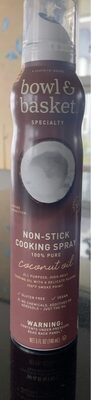 Wakefern Food Corporation
Specialty, Coconut Oil 100% Pure Non-Stick Cooking Spray, Coconut Oil
833kcal
0Protein
111Fat
0Carbs
PARACHUTE
100% Pure Coconut Oil
High in saturated fat — 55% DV per serving
900kcal
0Protein
100Fat
0Carbs
Fratelli Mantova Fu Vincenzo
100% Pure Liquid Coconut Oil
1000kcal
0Protein
111Fat
0Carbs
Wakefern Food Corporation
Specialty, Coconut Oil 100% Pure Non-Stick Cooking Spray, Coconut Oil
833kcal
0Protein
111Fat
0Carbs
PARACHUTE
100% Pure Coconut Oil
High in saturated fat — 55% DV per serving
900kcal
0Protein
100Fat
0Carbs
Fratelli Mantova Fu Vincenzo
100% Pure Liquid Coconut Oil
1000kcal
0Protein
111Fat
0Carbs
Learn more
Auto-generated content. This description was generated automatically and is pending editorial review. Inaccuracies are possible. Found a mistake? Contact us.