71%: Biscoff Cookies
What is 71%: Biscoff Cookies?
Biscoff Cookies are a type of spiced shortcrust biscuit, originally from Belgium. They are made from wheat flour, sugar, vegetable oils, and spices like cinnamon, giving them a distinctive caramelized flavor.
Is 71%: Biscoff Cookies vegan?
71%: Biscoff Cookies is not animal-derived. Products that contain it can still include other animal-derived ingredients, so check the full ingredient list.
Is 71%: Biscoff Cookies gluten-free?
It also contains gluten.
Is 71%: Biscoff Cookies a major allergen?
This product contains wheat and soy, which are two of the nine major food allergens identified by the FDA.
What is 71%: Biscoff Cookies used for?
Manufacturers use Biscoff Cookies as an ingredient to add flavor, texture, and brand recognition to other food products.
Is 71%: Biscoff Cookies safe?
Biscoff Cookies are a prepared food product, not a food additive, so specific FDA additive regulations or evaluations by JECFA/EFSA do not apply to the cookies themselves.
Why it's used
Manufacturers use Biscoff Cookies as an ingredient to add flavor, texture, and brand recognition to other food products. They are often found in items like cookie butter spreads, snack packs, and desserts, contributing a sweet, spiced, and crunchy element.
Health notes
Biscoff Cookies are a prepared food product, not a food additive, so specific FDA additive regulations or evaluations by JECFA/EFSA do not apply to the cookies themselves. As a processed food, they contribute to daily intake of added sugars and saturated fats. The 2025-2030 Dietary Guidelines for Americans recommend no amount of added sugars, and at most 10 grams of added sugars per meal. They also advise keeping saturated fat intake under 10% of daily calories.
Allergen info
This product contains wheat and soy, which are two of the nine major food allergens identified by the FDA. It also contains gluten.
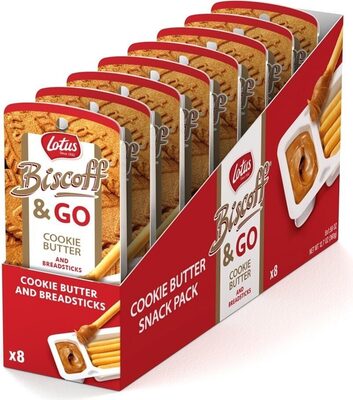
Foods that contain 71%: Biscoff Cookies
Compare products →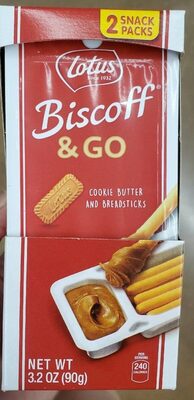
Auto-generated content. This description was generated automatically and is pending editorial review. Inaccuracies are possible. Found a mistake? Contact us.