Acidity 5
What is Acidity 5?
Acetic acid is a weak organic acid that gives vinegar its sour taste and pungent smell. It is produced industrially through the carbonylation of methanol or the fermentation of ethanol by acetic acid bacteria. In food production, it's often produced via fermentation of sugars or alcohol.
Is Acidity 5 vegan?
Acidity 5 is not animal-derived. Products that contain it can still include other animal-derived ingredients, so check the full ingredient list.
Is Acidity 5 a major allergen?
Not a major allergen.
What is Acidity 5 used for?
Acetic acid is primarily used as an acidity regulator, a preservative, and a flavoring agent.
Is Acidity 5 safe?
Acetic acid is generally recognized as safe (GRAS) by the FDA for use in food.
Why it's used
Acetic acid is primarily used as an acidity regulator, a preservative, and a flavoring agent. It helps control pH in foods, which can prevent spoilage and enhance taste. It is commonly found in salad dressings, pickles, ketchup, mustard, and other sauces.
Health notes
Acetic acid is generally recognized as safe (GRAS) by the FDA for use in food. It is a common component of vinegar, which has been consumed for centuries. While generally safe, highly concentrated forms can be irritating. International bodies like JECFA have evaluated acetic acid and its salts, finding them safe for consumption.
Allergen info
Not a major allergen.
Foods that contain Acidity 5
Compare products →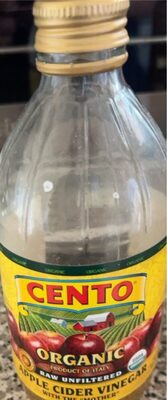 Alanric Food Distributors, Inc.
Organic Apple Cider Raw Unfiltered Vinegar With The ''Mother'', Apple Cider
0kcal
0Protein
0Fat
0Carbs
Harris-Teeter Inc.
Apple Cider Vinegar With The ""Mother"", Apple Cider
0kcal
0Protein
0Fat
0Carbs
Harris-Teeter Inc.
Apple Cider Vinegar With The ""Mother"", Apple Cider
0kcal
0Protein
0Fat
0Carbs
Two Brothers Organics Inc.
Big B's, Organic Apple Cider Vinegar
0kcal
0Protein
0Fat
0Carbs
Alanric Food Distributors, Inc.
Organic Apple Cider Raw Unfiltered Vinegar With The ''Mother'', Apple Cider
0kcal
0Protein
0Fat
0Carbs
Harris-Teeter Inc.
Apple Cider Vinegar With The ""Mother"", Apple Cider
0kcal
0Protein
0Fat
0Carbs
Harris-Teeter Inc.
Apple Cider Vinegar With The ""Mother"", Apple Cider
0kcal
0Protein
0Fat
0Carbs
Two Brothers Organics Inc.
Big B's, Organic Apple Cider Vinegar
0kcal
0Protein
0Fat
0Carbs
Auto-generated content. This description was generated automatically and is pending editorial review. Inaccuracies are possible. Found a mistake? Contact us.