Activated Charcoal
What is Activated Charcoal?
Activated charcoal is a fine black powder made from charcoal that has been treated to be extremely porous. It is produced by heating charcoal in the absence of oxygen, then exposing it to an oxidizing agent to open up millions of tiny pores between the carbon atoms.
Is Activated Charcoal vegan?
Activated Charcoal is not animal-derived. Products that contain it can still include other animal-derived ingredients, so check the full ingredient list.
Is Activated Charcoal gluten-free?
It does not contain gluten.
Is Activated Charcoal a major allergen?
Activated charcoal is not derived from any of the nine major allergens.
What is Activated Charcoal used for?
Activated charcoal is used as a colorant to give foods a dark black or gray hue.
Is Activated Charcoal safe?
In the US, activated charcoal is generally recognized as safe (GRAS) by the FDA for use as a color additive.
Why it's used
Activated charcoal is used as a colorant to give foods a dark black or gray hue. It is often found in beverages, baked goods, candies, and other processed foods where a dramatic color is desired.
Health notes
In the US, activated charcoal is generally recognized as safe (GRAS) by the FDA for use as a color additive. It is not absorbed by the body and can bind to certain substances in the digestive tract, which is why it is sometimes used medically to help treat certain types of poisoning. However, this binding effect can also reduce the absorption of medications and nutrients if consumed too close to them. JECFA has evaluated it and set an acceptable daily intake.
Allergen info
Activated charcoal is not derived from any of the nine major allergens. It does not contain gluten.
Foods that contain Activated Charcoal
Compare products →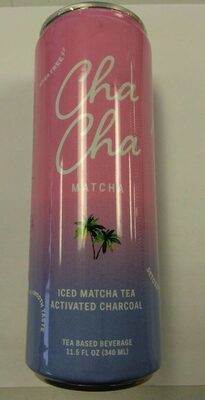

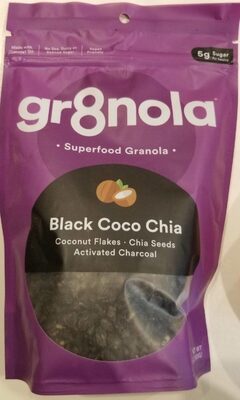
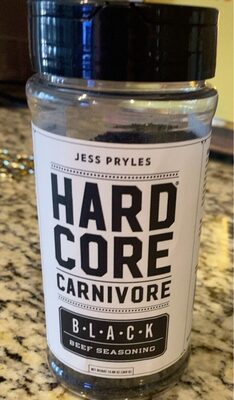
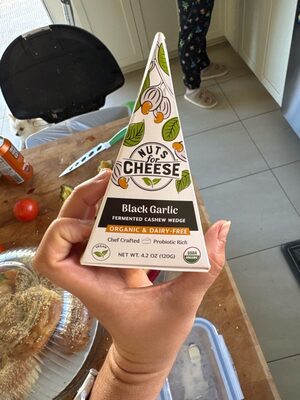
Learn more
Auto-generated content. This description was generated automatically and is pending editorial review. Inaccuracies are possible. Found a mistake? Contact us.