Active Cultures: S
Auto-generated content. This description was generated automatically and is pending editorial review. Inaccuracies are possible. Found a mistake? Contact us.
What it is
Active cultures are live microorganisms, typically bacteria or yeasts, that are added to foods. They are often naturally present in fermented foods or can be added during processing. These cultures are responsible for the characteristic changes in flavor, texture, and aroma of fermented products.
Why it's used
Active cultures are primarily used to produce fermented foods like yogurt, kefir, sauerkraut, and kimchi. They contribute to the tangy flavor and unique textures of these foods. In some products, they are added to support gut health.
Health notes
Active cultures are generally recognized as safe (GRAS) by the FDA for use in food. While specific strains are being researched for potential health benefits, such as improved digestion, scientific consensus on these effects is still developing. International bodies like JECFA have evaluated some specific probiotic strains, but their general use in food is not typically associated with adverse effects at normal consumption levels.
Allergen info
Active cultures themselves are not a major allergen. However, they may be found in foods that contain major allergens, such as dairy in yogurt.
Products containing Active Cultures: S
Compare products →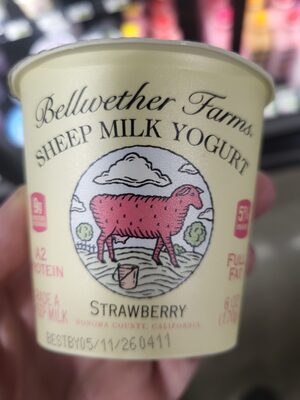 Bellwether Farms, LLC
Bellwether Farms, Sheep Milk Yogurt, Strawberry, Strawberry
100kcal
4.7Protein
2.9Fat
12.3Carbs
Bellwether Farms, LLC
Bellwether Farms, Sheep Milk Yogurt
High in saturated fat — 20% DV per serving
76kcal
5.3Protein
4.1Fat
5.3Carbs
Bellwether Farms, LLC
Vanilla A2 Organic Whole Milk Yogurt, Vanilla
High in saturated fat — 25% DV per serving
87kcal
4.7Protein
4.7Fat
6.7Carbs
Bellwether Farms, LLC
Strawberry A2 Organic Whole Milk Yogurt, Strawberry
High in saturated fat — 20% DV per serving
87kcal
4Protein
4Fat
8Carbs
Bellwether Farms, LLC
Vanilla Sheep Milk Yogurt, Vanilla
High in saturated fat — 30% DV per serving
100kcal
5.9Protein
5.3Fat
7.7Carbs
Bellwether Farms, LLC
Blackberry Sheep Milk Yogurt, Blackberry
High in saturated fat — 25% DV per serving
94kcal
5.3Protein
4.7Fat
7.7Carbs
Bellwether Farms, LLC
Plain Full Fat Yogurt, Plain
High in saturated fat — 30% DV per serving
82kcal
5.9Protein
5.3Fat
3.5Carbs
Bellwether Farms, LLC
Bellwether Farms, Sheep Milk Yogurt, Strawberry, Strawberry
100kcal
4.7Protein
2.9Fat
12.3Carbs
Bellwether Farms, LLC
Bellwether Farms, Sheep Milk Yogurt
High in saturated fat — 20% DV per serving
76kcal
5.3Protein
4.1Fat
5.3Carbs
Bellwether Farms, LLC
Vanilla A2 Organic Whole Milk Yogurt, Vanilla
High in saturated fat — 25% DV per serving
87kcal
4.7Protein
4.7Fat
6.7Carbs
Bellwether Farms, LLC
Strawberry A2 Organic Whole Milk Yogurt, Strawberry
High in saturated fat — 20% DV per serving
87kcal
4Protein
4Fat
8Carbs
Bellwether Farms, LLC
Vanilla Sheep Milk Yogurt, Vanilla
High in saturated fat — 30% DV per serving
100kcal
5.9Protein
5.3Fat
7.7Carbs
Bellwether Farms, LLC
Blackberry Sheep Milk Yogurt, Blackberry
High in saturated fat — 25% DV per serving
94kcal
5.3Protein
4.7Fat
7.7Carbs
Bellwether Farms, LLC
Plain Full Fat Yogurt, Plain
High in saturated fat — 30% DV per serving
82kcal
5.9Protein
5.3Fat
3.5Carbs