Lacidophilus
What is Lacidophilus?
Lacidophilus is a strain of the probiotic bacterium Lactobacillus acidophilus. It is naturally found in the human gut and is often added to foods as a live culture. It is typically grown in a laboratory setting using fermentation processes.
Is Lacidophilus vegan?
Lacidophilus is not animal-derived. Products that contain it can still include other animal-derived ingredients, so check the full ingredient list.
Is Lacidophilus gluten-free?
It is a bacterium and does not contain gluten.
Is Lacidophilus a major allergen?
Lacidophilus is not derived from any of the 9 FDA major allergens.
What is Lacidophilus used for?
Lacidophilus is added to foods to provide probiotic benefits, meaning it contains live microorganisms that may benefit health.
Is Lacidophilus safe?
Lacidophilus is generally recognized as safe (GRAS) by the FDA when used as a food ingredient.
Why it's used
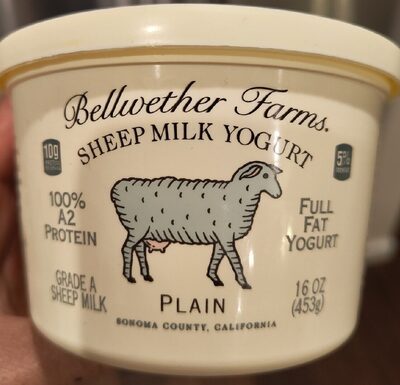
Lacidophilus is added to foods to provide probiotic benefits, meaning it contains live microorganisms that may benefit health. It is most commonly found in fermented dairy products like yogurt and cheese, where it contributes to the characteristic tangy flavor and texture. It is also sometimes added to other foods like supplements and infant formulas.
Health notes
Lacidophilus is generally recognized as safe (GRAS) by the FDA when used as a food ingredient. Probiotic bacteria like L. acidophilus are thought to support gut health, though research is ongoing and effects can vary. International bodies like the WHO/FAO Joint Expert Committee on Food Additives (JECFA) have evaluated various Lactobacillus species. Evidence on specific health benefits is mixed and depends on the strain, dose, and individual. Some studies suggest potential benefits for digestive health, while others show no significant effect.
Allergen info
Lacidophilus is not derived from any of the 9 FDA major allergens. It is a bacterium and does not contain gluten.
Foods that contain Lacidophilus
Compare products →
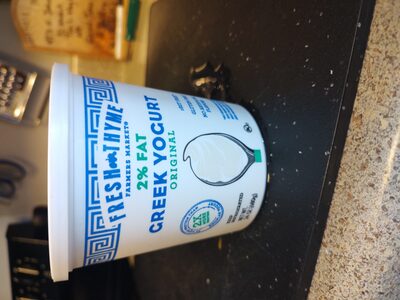

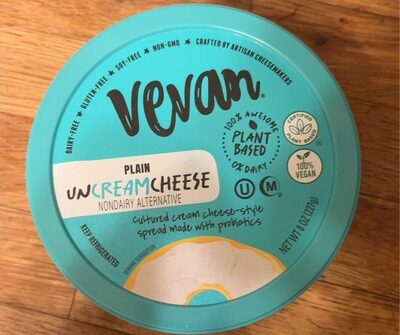
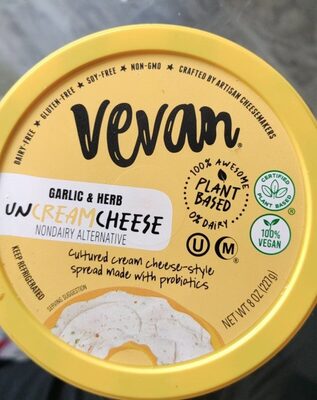
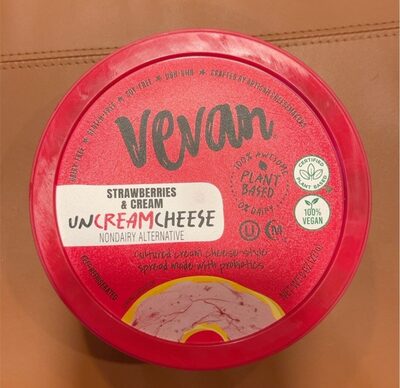
Auto-generated content. This description was generated automatically and is pending editorial review. Inaccuracies are possible. Found a mistake? Contact us.