Added As An Antifoam
What is Added As An Antifoam?
Antifoam agents are substances that prevent or reduce foaming in food processing. They are often made from silicones, such as polydimethylsiloxane (PDMS), or mineral oils. These agents work by lowering the surface tension of liquids, making it harder for bubbles to form and stabilize.
Is Added As An Antifoam vegan?
Added As An Antifoam is not animal-derived. Products that contain it can still include other animal-derived ingredients, so check the full ingredient list.
Is Added As An Antifoam gluten-free?
They do not contain gluten.
Is Added As An Antifoam a major allergen?
Antifoam agents are not derived from any of the nine major allergens recognized by the FDA.
What is Added As An Antifoam used for?
Antifoams are added to foods to prevent excessive foaming during cooking, boiling, or fermentation.
Is Added As An Antifoam safe?
In the US, antifoam agents like simethicone and dimethylpolysiloxane are generally recognized as safe (GRAS) by the FDA for use in food.
Why it's used
Antifoams are added to foods to prevent excessive foaming during cooking, boiling, or fermentation. This helps maintain efficient processing and prevent overflow. They are commonly found in products like jams, jellies, processed meats, and dairy products.
Health notes
In the US, antifoam agents like simethicone and dimethylpolysiloxane are generally recognized as safe (GRAS) by the FDA for use in food. International bodies like JECFA have also evaluated these substances. At typical consumption levels, they are not expected to pose health risks. Evidence does not suggest adverse health effects from their use as intended in food.
Allergen info
Antifoam agents are not derived from any of the nine major allergens recognized by the FDA. They do not contain gluten.
Foods that contain Added As An Antifoam
Compare products →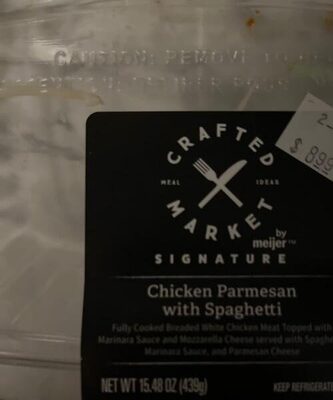 Meijer, Inc.
Signature, Chicken Parmesan Topped With Marinara Sauce And Mozzarella Cheese Served With Spaghetti, Marinara Sauce, And Parmesan Cheese, Chicken Parmesan
High in sodium — 81% DV per serving
High in saturated fat — 30% DV per serving
High in cholesterol — 34% DV per serving
134kcal
8.9Protein
4.8Fat
14.6Carbs
Meijer, Inc.
Sesame Chicken With Vegetable Fried Rice, Sesame Chicken
High in sodium — 88% DV per serving
138kcal
8.2Protein
3.4Fat
18.6Carbs
Taylor Fresh Foods, Inc.
Sesame Chicken With Vegetable Fried Rice Fried White Chicken Meat And Sesame Sauce With Fried Rice And Broccoli, Sesame Chicken
High in sodium — 37% DV per serving
141kcal
7.0Protein
3.2Fat
19.7Carbs
Taylor Fresh Foods, Inc.
Breaded Chicken Truffle Mac & Cheese Butter, Breaded Chicken Truffle Mac & Cheese
High in sodium — 25% DV per serving
High in saturated fat — 40% DV per serving
High in cholesterol — 23% DV per serving
214kcal
12.1Protein
12.9Fat
13.6Carbs
Taylor Fresh Foods, Inc.
Chicken Katsu Inspired With Jasmine Rice Fully Cooked Breaded White Chicken Meat In A Katsu Sauce With Rice, Cabbage And Sesame Seeds Ready Meals, Chicken Katsu Inspired With Jasmine Rice
High in sodium — 75% DV per serving
High in added sugars — 26% DV per serving
High in cholesterol — 23% DV per serving
151kcal
7.7Protein
2.7Fat
23.0Carbs
Meijer, Inc.
Signature, Chicken Parmesan Topped With Marinara Sauce And Mozzarella Cheese Served With Spaghetti, Marinara Sauce, And Parmesan Cheese, Chicken Parmesan
High in sodium — 81% DV per serving
High in saturated fat — 30% DV per serving
High in cholesterol — 34% DV per serving
134kcal
8.9Protein
4.8Fat
14.6Carbs
Meijer, Inc.
Sesame Chicken With Vegetable Fried Rice, Sesame Chicken
High in sodium — 88% DV per serving
138kcal
8.2Protein
3.4Fat
18.6Carbs
Taylor Fresh Foods, Inc.
Sesame Chicken With Vegetable Fried Rice Fried White Chicken Meat And Sesame Sauce With Fried Rice And Broccoli, Sesame Chicken
High in sodium — 37% DV per serving
141kcal
7.0Protein
3.2Fat
19.7Carbs
Taylor Fresh Foods, Inc.
Breaded Chicken Truffle Mac & Cheese Butter, Breaded Chicken Truffle Mac & Cheese
High in sodium — 25% DV per serving
High in saturated fat — 40% DV per serving
High in cholesterol — 23% DV per serving
214kcal
12.1Protein
12.9Fat
13.6Carbs
Taylor Fresh Foods, Inc.
Chicken Katsu Inspired With Jasmine Rice Fully Cooked Breaded White Chicken Meat In A Katsu Sauce With Rice, Cabbage And Sesame Seeds Ready Meals, Chicken Katsu Inspired With Jasmine Rice
High in sodium — 75% DV per serving
High in added sugars — 26% DV per serving
High in cholesterol — 23% DV per serving
151kcal
7.7Protein
2.7Fat
23.0Carbs
Auto-generated content. This description was generated automatically and is pending editorial review. Inaccuracies are possible. Found a mistake? Contact us.