Agave Nectar
What is Agave Nectar?
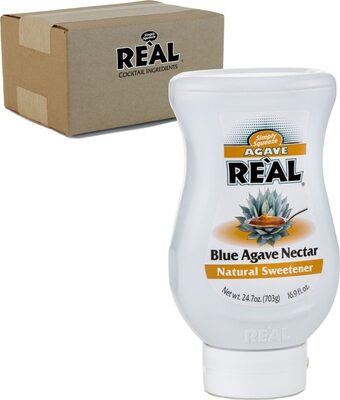
Agave nectar is a sweetener made from the sap of the agave plant, which is native to Mexico and the southwestern United States. The sap is filtered, heated, and concentrated to produce a liquid sweetener similar in consistency to honey.
Is Agave Nectar vegan?
Agave Nectar is not animal-derived. Products that contain it can still include other animal-derived ingredients, so check the full ingredient list.
Is Agave Nectar gluten-free?
It does not contain gluten.
Is Agave Nectar a major allergen?
Agave nectar is not derived from any of the nine FDA major allergens.
What is Agave Nectar used for?
Agave nectar is primarily used as a sweetener in a wide variety of food products.
Is Agave Nectar safe?
Agave nectar is generally recognized as safe (GRAS) by the FDA for use as a sweetener.
Why it's used
Agave nectar is primarily used as a sweetener in a wide variety of food products. Its mild flavor and liquid form make it suitable for use in beverages, baked goods, sauces, and dressings, often as a replacement for sugar or corn syrup.
Health notes
Agave nectar is generally recognized as safe (GRAS) by the FDA for use as a sweetener. Like other sweeteners, it provides calories and carbohydrates. Some research suggests agave nectar may have a lower glycemic index than table sugar, but the overall health impact of high sugar intake from any source is a concern. International bodies like JECFA have evaluated sweeteners, and their assessments inform global food safety standards.
Allergen info
Agave nectar is not derived from any of the nine FDA major allergens. It does not contain gluten.
Foods that contain Agave Nectar
Compare products →














Learn more
Auto-generated content. This description was generated automatically and is pending editorial review. Inaccuracies are possible. Found a mistake? Contact us.