Alginic Acid
What is Alginic Acid?
Alginic acid is a natural substance found in the cell walls of brown seaweed. It is extracted from seaweed and processed to create a versatile ingredient used in food manufacturing.
Is Alginic Acid vegan?
Alginic Acid is not animal-derived. Products that contain it can still include other animal-derived ingredients, so check the full ingredient list.
Is Alginic Acid gluten-free?
It does not contain gluten.
Is Alginic Acid a major allergen?
Alginic acid is derived from seaweed and is not one of the 9 major allergens.
What is Alginic Acid used for?
Alginic acid and its salts (alginates) are primarily used as thickening and gelling agents.
Is Alginic Acid safe?
Alginic acid is generally recognized as safe (GRAS) by the U.S. Food and Drug Administration (FDA) for use in food.
Why it's used
Alginic acid and its salts (alginates) are primarily used as thickening and gelling agents. They help improve the texture and stability of foods like ice cream, yogurt, and processed cheese, and can also be used as emulsifiers in salad dressings and sauces.
Health notes
Alginic acid is generally recognized as safe (GRAS) by the U.S. Food and Drug Administration (FDA) for use in food. It is a type of soluble fiber that may help with digestion and satiety. International bodies like JECFA (Joint FAO/WHO Expert Committee on Food Additives) have evaluated alginates and found them safe for consumption. There are no significant controversies or health concerns associated with its typical use in food.
Allergen info
Alginic acid is derived from seaweed and is not one of the 9 major allergens. It does not contain gluten.
Foods that contain Alginic Acid
Compare products → ECI Storage and Logistics, Inc.
Authentic French Chocolate Swirl Brioche
300kcal
8Protein
9Fat
46Carbs
ECI Storage and Logistics, Inc.
Authentic French Chocolate Swirl Brioche
300kcal
8Protein
9Fat
46Carbs
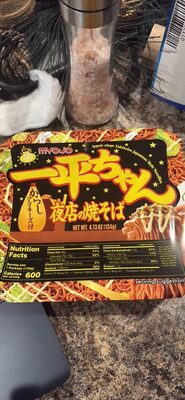 JFC International Inc.
Myojo, Japanese Style Noodles
High in sodium — 83% DV per serving
High in saturated fat — 60% DV per serving
443kcal
8.1Protein
19.9Fat
57.6Carbs
Rhee Bros. Inc.
Hot & Spicy Udon
High in sodium — 73% DV per serving
156kcal
4.6Protein
2.3Fat
31.6Carbs
JFC International Inc.
Myojo, Japanese Style Noodles
High in sodium — 83% DV per serving
High in saturated fat — 60% DV per serving
443kcal
8.1Protein
19.9Fat
57.6Carbs
Rhee Bros. Inc.
Hot & Spicy Udon
High in sodium — 73% DV per serving
156kcal
4.6Protein
2.3Fat
31.6Carbs
Learn more
Auto-generated content. This description was generated automatically and is pending editorial review. Inaccuracies are possible. Found a mistake? Contact us.