Almond Pieces
What is Almond Pieces?
Almond pieces are small fragments of almonds, a type of tree nut. Almonds grow on trees, primarily in California in the United States, as well as in the Mediterranean region. They are typically harvested, shelled, and then chopped or sliced into pieces for food use.
Is Almond Pieces vegan?
Almond Pieces is not animal-derived. Products that contain it can still include other animal-derived ingredients, so check the full ingredient list.
Is Almond Pieces a major allergen?
Almond pieces are derived from tree nuts, which are one of the 9 major food allergens identified by the FDA.
What is Almond Pieces used for?
Almond pieces are added to foods for their crunchy texture, nutty flavor, and visual appeal.
Is Almond Pieces safe?
Almonds are a source of healthy fats, fiber, protein, vitamin E, and magnesium.
Why it's used
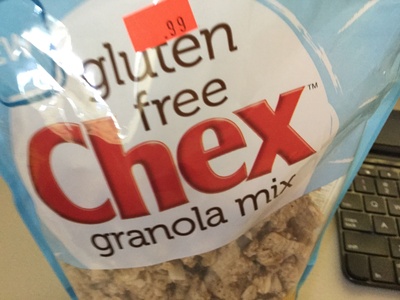
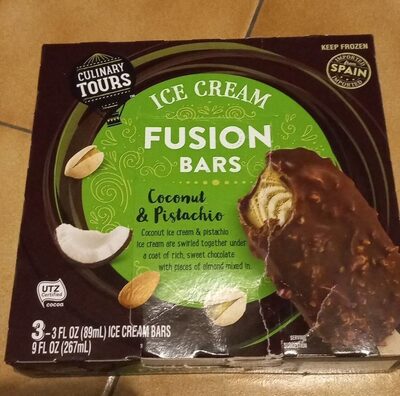
Almond pieces are added to foods for their crunchy texture, nutty flavor, and visual appeal. They are commonly found in baked goods like cookies and cakes, as well as in cereals, granola, ice cream, and trail mixes.
Health notes
Almonds are a source of healthy fats, fiber, protein, vitamin E, and magnesium. The U.S. Food and Drug Administration (FDA) recognizes almonds as Generally Recognized As Safe (GRAS). International bodies like the Joint FAO/WHO Expert Committee on Food Additives (JECFA) and the European Food Safety Authority (EFSA) have evaluated almonds and their components. While generally considered healthy, they are calorie-dense.
Allergen info
Almond pieces are derived from tree nuts, which are one of the 9 major food allergens identified by the FDA. People with tree nut allergies should avoid them.
Foods that contain Almond Pieces
Compare products →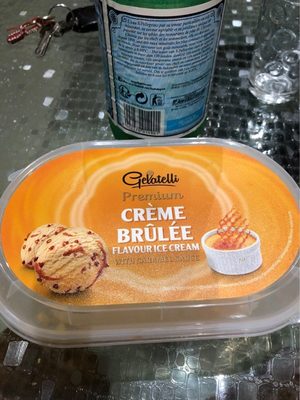
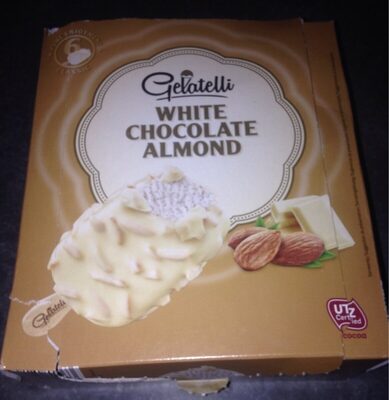
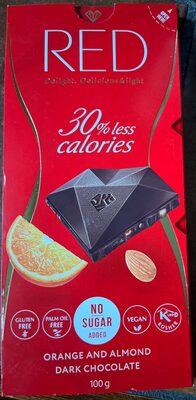
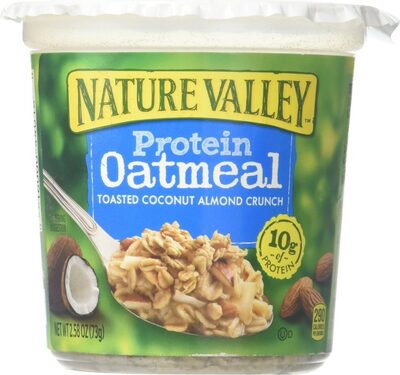
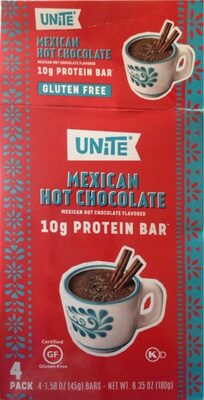
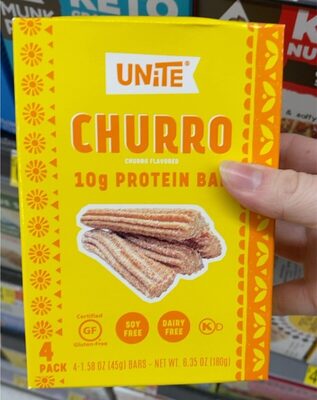
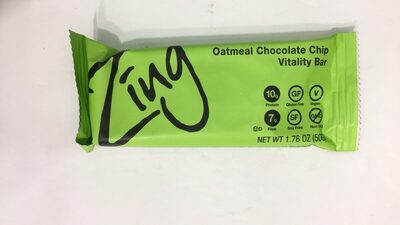
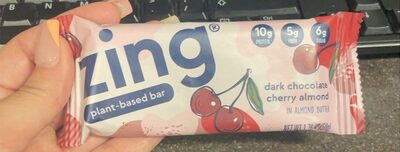
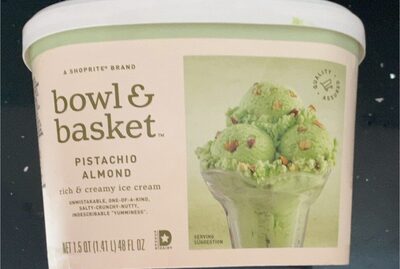
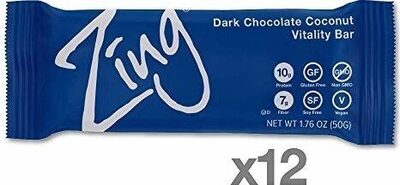
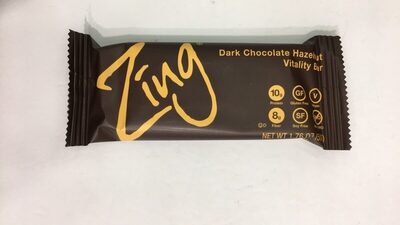
Auto-generated content. This description was generated automatically and is pending editorial review. Inaccuracies are possible. Found a mistake? Contact us.