Amaranth Powder
What is Amaranth Powder?
Amaranth powder is made from amaranth, a grain-like seed that has been cultivated for thousands of years. The seeds are typically ground into a fine powder, often after being toasted or puffed to enhance flavor and texture.
Is Amaranth Powder vegan?
Amaranth Powder is not animal-derived. Products that contain it can still include other animal-derived ingredients, so check the full ingredient list.
Is Amaranth Powder gluten-free?
It does not contain gluten.
Is Amaranth Powder a major allergen?
Amaranth is not one of the 9 FDA major allergens.
What is Amaranth Powder used for?
Amaranth powder is used as a nutrient-rich ingredient, adding protein, fiber, and minerals to foods.
Is Amaranth Powder safe?
In the US, amaranth is generally recognized as safe (GRAS) by the FDA for use as a food ingredient.
Why it's used
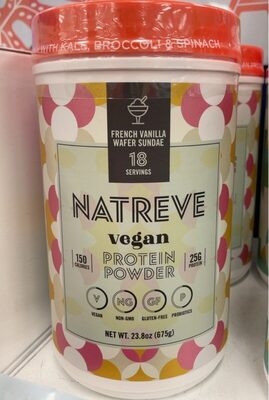
Amaranth powder is used as a nutrient-rich ingredient, adding protein, fiber, and minerals to foods. It's often found in baked goods, cereals, and protein powders, where it can also contribute to texture and a slightly nutty flavor.
Health notes
In the US, amaranth is generally recognized as safe (GRAS) by the FDA for use as a food ingredient. It is a good source of protein and fiber. International bodies like JECFA have evaluated amaranth and its components, but no specific health concerns are widely noted at typical dietary intakes.
Allergen info
Amaranth is not one of the 9 FDA major allergens. It does not contain gluten.
Foods that contain Amaranth Powder
Compare products →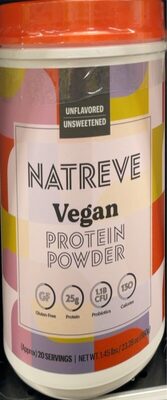
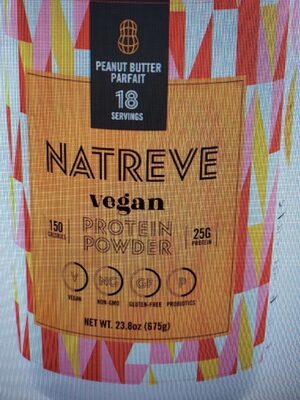
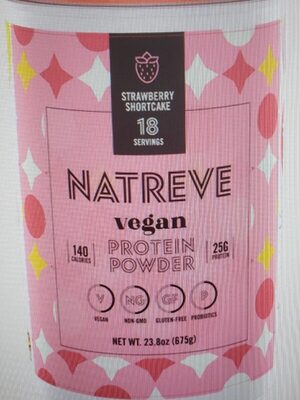
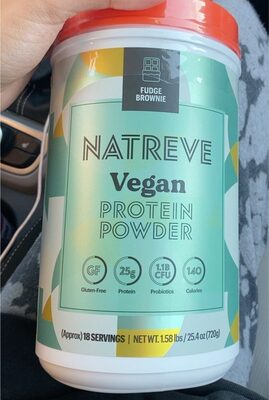
Learn more
Auto-generated content. This description was generated automatically and is pending editorial review. Inaccuracies are possible. Found a mistake? Contact us.