Amaranth Sprout
What is Amaranth Sprout?
Amaranth sprout is the young shoot of the amaranth plant, a leafy green vegetable. It is grown from amaranth seeds and harvested when the sprouts are tender and flavorful. Amaranth sprouts are typically consumed raw or lightly cooked.
Is Amaranth Sprout vegan?
Amaranth Sprout is not animal-derived. Products that contain it can still include other animal-derived ingredients, so check the full ingredient list.
Is Amaranth Sprout gluten-free?
It does not contain gluten.
Is Amaranth Sprout a major allergen?
Amaranth is not one of the nine major allergens recognized by the FDA.
What is Amaranth Sprout used for?
Amaranth sprouts are used to add a mild, earthy flavor and a tender crunch to foods.
Is Amaranth Sprout safe?
Amaranth sprouts are generally recognized as safe (GRAS) by the FDA for use as a food ingredient.
Why it's used
Amaranth sprouts are used to add a mild, earthy flavor and a tender crunch to foods. They are often found in salads, sandwiches, wraps, and as a garnish for various dishes. Their nutritional content also makes them appealing for health-focused food products.
Health notes
Amaranth sprouts are generally recognized as safe (GRAS) by the FDA for use as a food ingredient. They are a source of vitamins and minerals. International bodies like JECFA and EFSA have evaluated amaranth and its components, but specific evaluations for amaranth sprouts as a distinct ingredient may vary. Evidence suggests they contribute positively to a balanced diet.
Allergen info
Amaranth is not one of the nine major allergens recognized by the FDA. It does not contain gluten.
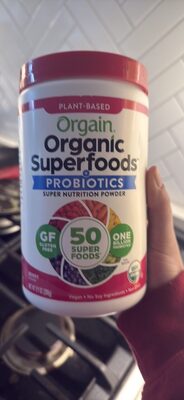
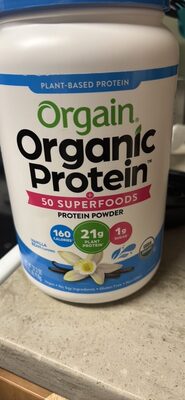
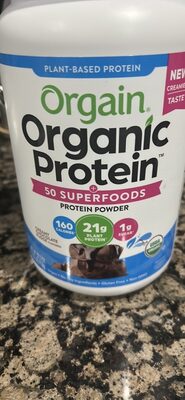
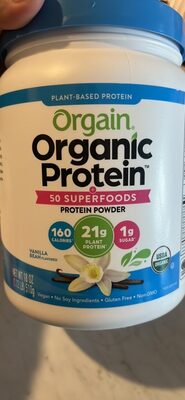
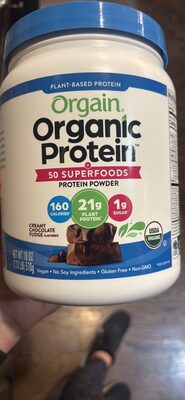
Foods that contain Amaranth Sprout
Compare products →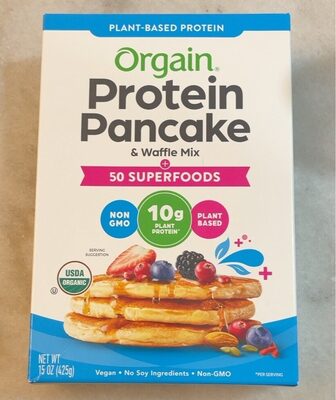
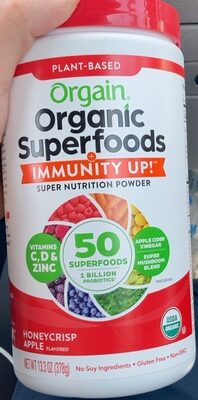
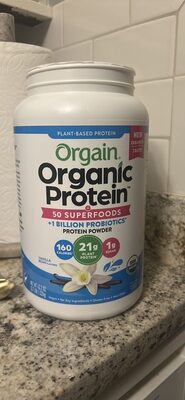
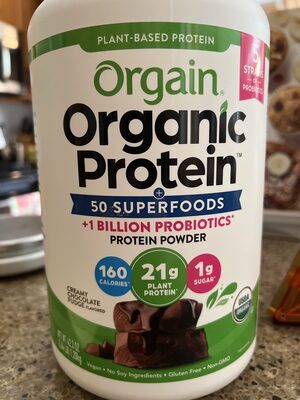
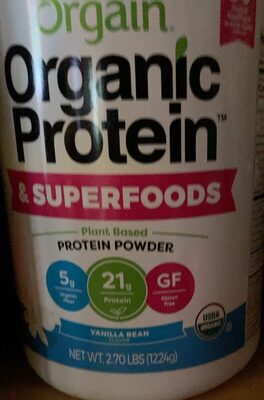
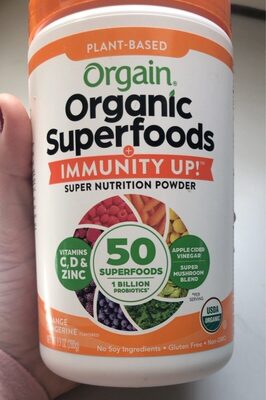
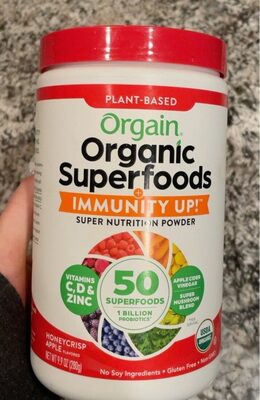
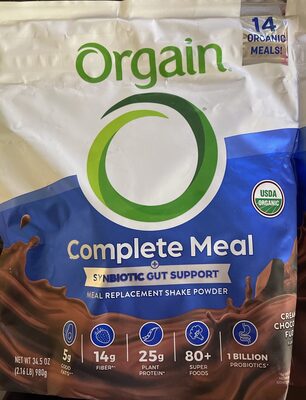
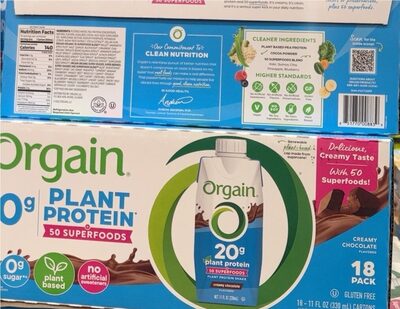
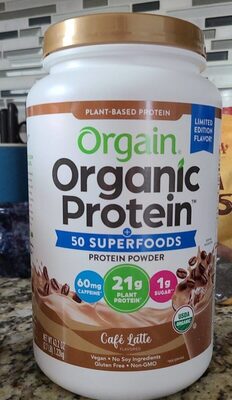
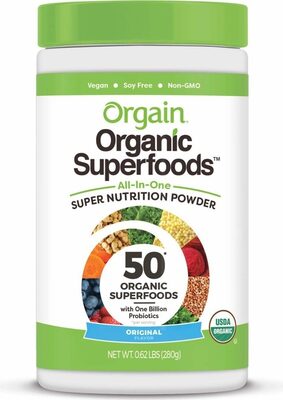
Learn more
Auto-generated content. This description was generated automatically and is pending editorial review. Inaccuracies are possible. Found a mistake? Contact us.