And Caffeine
Auto-generated content. This description was generated automatically and is pending editorial review. Inaccuracies are possible. Found a mistake? Contact us.
What it is
Caffeine is a natural stimulant found in coffee beans, tea leaves, and cacao pods. It is often extracted for use in food and beverages. It can also be synthesized in a lab.
Why it's used
Caffeine is added to foods and drinks primarily for its stimulant effect, helping to increase alertness and reduce fatigue. It is commonly found in sodas, energy drinks, and some baked goods.
Health notes
In the US, caffeine is Generally Recognized As Safe (GRAS) by the FDA for its intended use as a food additive. Consuming moderate amounts of caffeine is generally considered safe for most adults. High intake can lead to anxiety, insomnia, and rapid heart rate. JECFA has evaluated caffeine and established an acceptable daily intake. EFSA has also evaluated caffeine and found it safe at moderate levels.
Allergen info
Caffeine itself is not one of the 9 FDA major allergens. However, if derived from coffee beans or tea leaves, it is not considered an allergen. Not a major allergen.
Products containing And Caffeine
Compare products →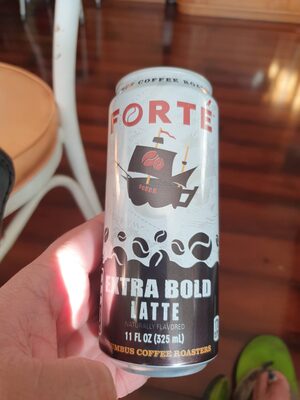 LA Bottleworks, Inc.
Extra Bold Latte
52kcal
1.2Protein
1.2Fat
8.9Carbs
Wis-Pak, Inc.
Energizing Drink
42kcal
0Protein
0Fat
11.3Carbs
LA Bottleworks, Inc.
Extra Bold Latte
52kcal
1.2Protein
1.2Fat
8.9Carbs
Wis-Pak, Inc.
Energizing Drink
42kcal
0Protein
0Fat
11.3Carbs