And Sea Salt
This entry is a label phrase. See the main ingredient page: Sea Salt.
What is And Sea Salt?
Sea salt is a type of salt produced by evaporating seawater. It primarily consists of sodium chloride, along with trace minerals like magnesium, calcium, and potassium, which give it a slightly different flavor and texture compared to table salt.
Is And Sea Salt vegan?
And Sea Salt is not animal-derived. Products that contain it can still include other animal-derived ingredients, so check the full ingredient list.
Is And Sea Salt a major allergen?
Not a major allergen.
What is And Sea Salt used for?
Manufacturers add sea salt primarily as a flavor enhancer to improve the taste of foods.
Is And Sea Salt safe?
Sea salt, like other forms of salt, is Generally Recognized As Safe (GRAS) by the FDA.
Why it's used
Manufacturers add sea salt primarily as a flavor enhancer to improve the taste of foods. It also functions as a preservative, helping to extend the shelf life of various products. It is commonly found in snacks, baked goods, processed meats, and condiments.
Health notes
Sea salt, like other forms of salt, is Generally Recognized As Safe (GRAS) by the FDA. The primary health consideration for sea salt is its sodium content. High sodium intake can contribute to high blood pressure in some individuals; the FDA Daily Value for sodium is 2,300 mg. JECFA has evaluated sodium chloride as a fundamental nutrient and food ingredient, not an additive requiring an Acceptable Daily Intake (ADI). There are no specific controversies regarding sea salt itself beyond general concerns about overall sodium consumption.
Allergen info
Not a major allergen.
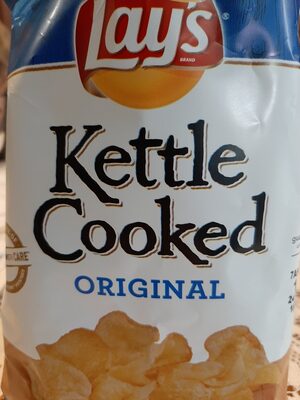
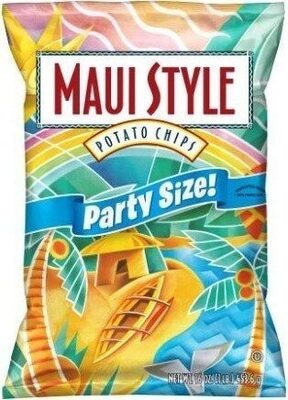
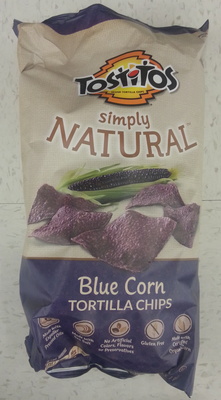
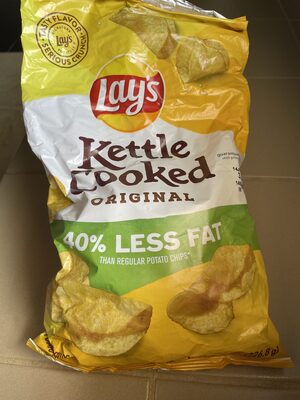
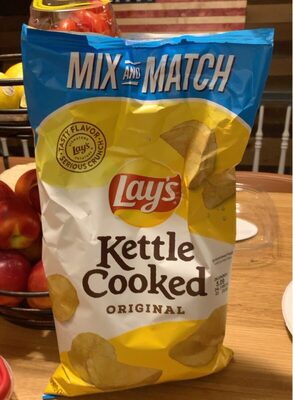
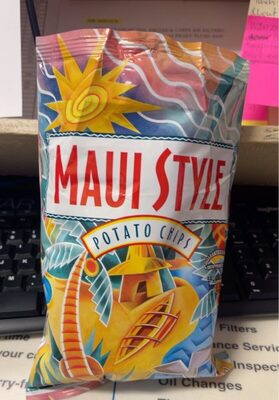
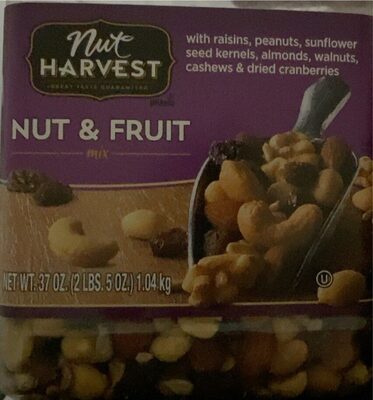
Foods that contain And Sea Salt
Compare products →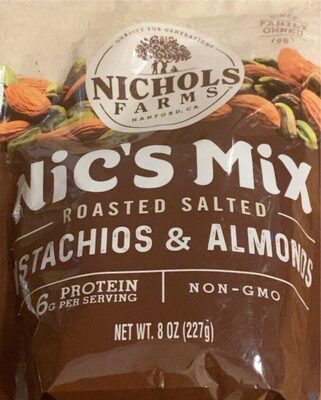
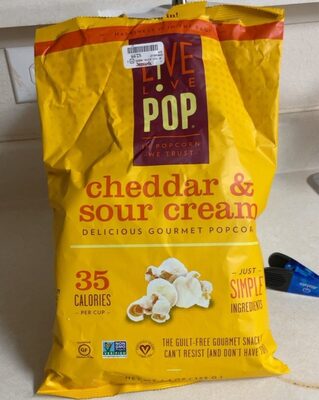


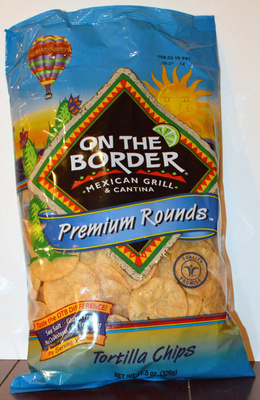
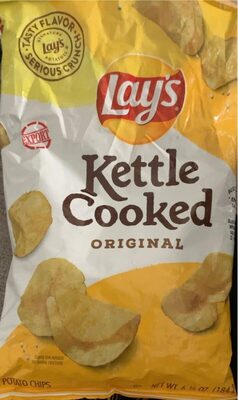
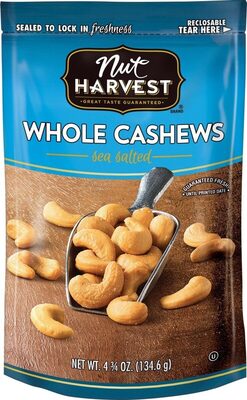

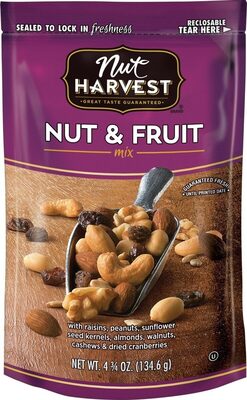


Learn more
Auto-generated content. This description was generated automatically and is pending editorial review. Inaccuracies are possible. Found a mistake? Contact us.