And Sodium Benzoate
Auto-generated content. This description was generated automatically and is pending editorial review. Inaccuracies are possible. Found a mistake? Contact us.
What it is
Sodium benzoate is a salt of benzoic acid, a chemical found naturally in some fruits like cranberries and plums. It is typically manufactured by reacting toluene with chlorine, followed by neutralization with sodium hydroxide. It appears as a white crystalline powder.
Why it's used
Sodium benzoate is primarily used as a preservative to prevent the growth of mold, yeast, and bacteria in foods and beverages. It is most effective in acidic conditions, which is why it's commonly found in acidic foods like sodas, fruit juices, pickles, jams, and salad dressings.
Health notes
In the U.S., sodium benzoate is generally recognized as safe (GRAS) by the FDA when used as a food preservative. When combined with ascorbic acid (Vitamin C) in certain beverages, it can form small amounts of benzene, a potential carcinogen. However, the FDA notes that the levels of benzene formed are very low and not considered a health risk. Regulatory bodies like JECFA and EFSA have evaluated sodium benzoate and established acceptable daily intake levels. Some studies suggest a link between sodium benzoate and hyperactivity in children, but the evidence is mixed and not conclusive.
Allergen info
Sodium benzoate is not derived from any of the 9 FDA major allergens. It does not contain gluten.
Products containing And Sodium Benzoate
Compare products →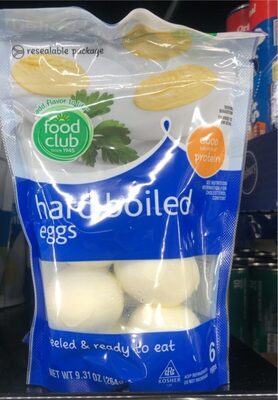 Topco Associates, Inc.
Hard Boiled Eggs
High in cholesterol — 55% DV per serving
136kcal
13.6Protein
9.1Fat
0Carbs
Topco Associates, Inc.
Hard Boiled Eggs
High in cholesterol — 55% DV per serving
136kcal
13.6Protein
9.1Fat
0Carbs
 Topco Associates, Inc.
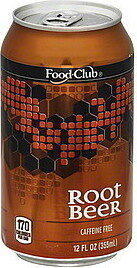
Caffeine Free Root Beer
48kcal
0Protein
—Fat
12.7Carbs
Frito-Lay Company
Tortilla Chips, 404 Bold Flavor Experiment
500kcal
7.1Protein
28.6Fat
57.1Carbs
Frito-Lay Company
Corn Chips
500kcal
7.1Protein
28.6Fat
57.1Carbs
Topco Associates, Inc.
Grape Flavored Purified Water Beverage, Grape
0kcal
0Protein
0Fat
0.3Carbs
Topco Associates, Inc.
Caffeine Free Root Beer
48kcal
0Protein
—Fat
12.7Carbs
Frito-Lay Company
Tortilla Chips, 404 Bold Flavor Experiment
500kcal
7.1Protein
28.6Fat
57.1Carbs
Frito-Lay Company
Corn Chips
500kcal
7.1Protein
28.6Fat
57.1Carbs
Topco Associates, Inc.
Grape Flavored Purified Water Beverage, Grape
0kcal
0Protein
0Fat
0.3Carbs
 Topco Associates, Inc.
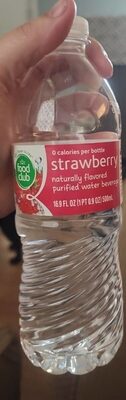
Strawberry Flavored Purified Water Beverage, Strawberry
0kcal
0Protein
0Fat
0.2Carbs
Ashleigh, Inc.
Black Cherry Pop Soda
42kcal
0Protein
0Fat
10.7Carbs
Peppers Unlimited Of Louisiana, Inc.
Steak Sauce, Steak
56kcal
0Protein
0Fat
16.7Carbs
Topco Associates, Inc.
Strawberry Flavored Purified Water Beverage, Strawberry
0kcal
0Protein
0Fat
0.2Carbs
Ashleigh, Inc.
Black Cherry Pop Soda
42kcal
0Protein
0Fat
10.7Carbs
Peppers Unlimited Of Louisiana, Inc.
Steak Sauce, Steak
56kcal
0Protein
0Fat
16.7Carbs
 Goya Foods, Inc.
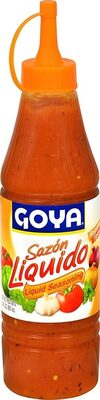
Regular Liquid Seasoning
High in sodium — 20% DV per serving
36kcal
0Protein
0Fat
7.1Carbs
Subco Foods of Wisconsin, Inc.
Chicken 'N' Ribs, Barbecue Sauce, Original, Original
132kcal
0Protein
0Fat
32.4Carbs
Food Town Stores Inc.
BBQ Sauce, Honey
132kcal
0Protein
0Fat
35.3Carbs
Ahold USA, Inc.
Giant, Macaroni & Beef
High in sodium — 39% DV per serving
119kcal
5.7Protein
4.4Fat
14.5Carbs
Goya Foods, Inc.
Regular Liquid Seasoning
High in sodium — 20% DV per serving
36kcal
0Protein
0Fat
7.1Carbs
Subco Foods of Wisconsin, Inc.
Chicken 'N' Ribs, Barbecue Sauce, Original, Original
132kcal
0Protein
0Fat
32.4Carbs
Food Town Stores Inc.
BBQ Sauce, Honey
132kcal
0Protein
0Fat
35.3Carbs
Ahold USA, Inc.
Giant, Macaroni & Beef
High in sodium — 39% DV per serving
119kcal
5.7Protein
4.4Fat
14.5Carbs